As one of the most widely farmed freshwater economic fish in the world, tilapia has become a core species in aquaculture by virtue of its tolerance to roughage, fast growth and adaptability. Feed is the main component of tilapia aquaculture cost, accounting for 60%-70% of the total aquaculture cost. Scientific feed formulation can not only meet the nutritional requirements of tilapia at different growth stages, but also improve the growth rate and feed conversion rate, reduce the aquaculture cost and water pollution, which is the key to achieve efficient tilapia aquaculture. This paper focuses on the comprehensive analysis of tilapia feed formulation, from nutritional requirements, raw material selection, formulation methods, processing technology to the factors affecting the tilapia farmers to provide a systematic and practical guidance for the formulation.
Overview of tilapia feed formulation
Tilapia is an omnivorous freshwater fish, feeding on plankton, aquatic plants and organic debris in natural environment, and meeting its comprehensive nutritional requirements through compound feeds under artificial culture conditions. Tilapia feed formulation is based on the growth pattern of fish, nutritional metabolism characteristics, combined with the nutrient composition of raw materials, palatability, digestibility and cost, protein, carbohydrates, fats, vitamins, minerals and other raw materials in accordance with the proportion of accurate mixing, made of granular feed suitable for tilapia intake, the core objective is balanced nutrition, digestion and efficient, cost-controlled, fit for growth.
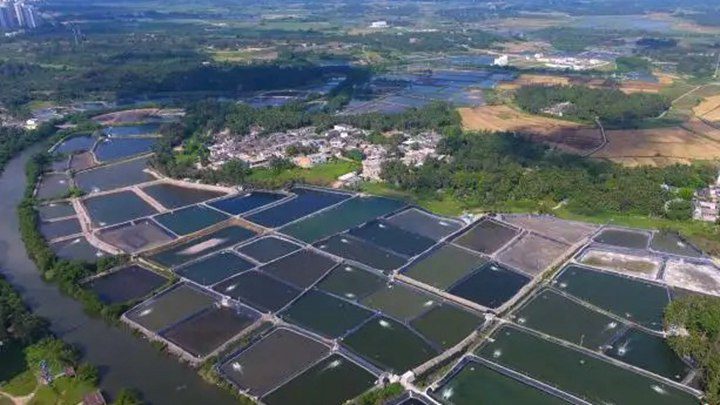
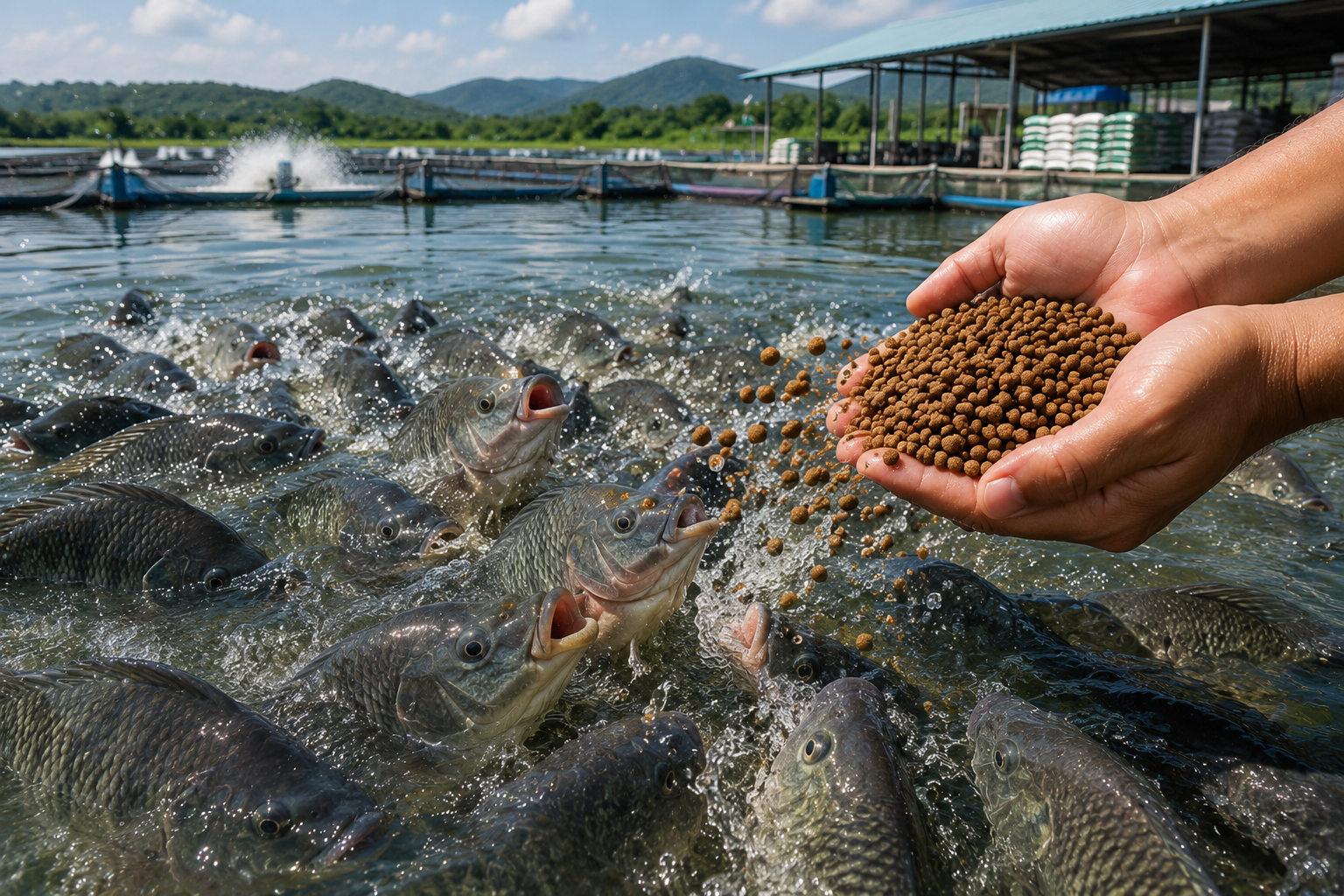
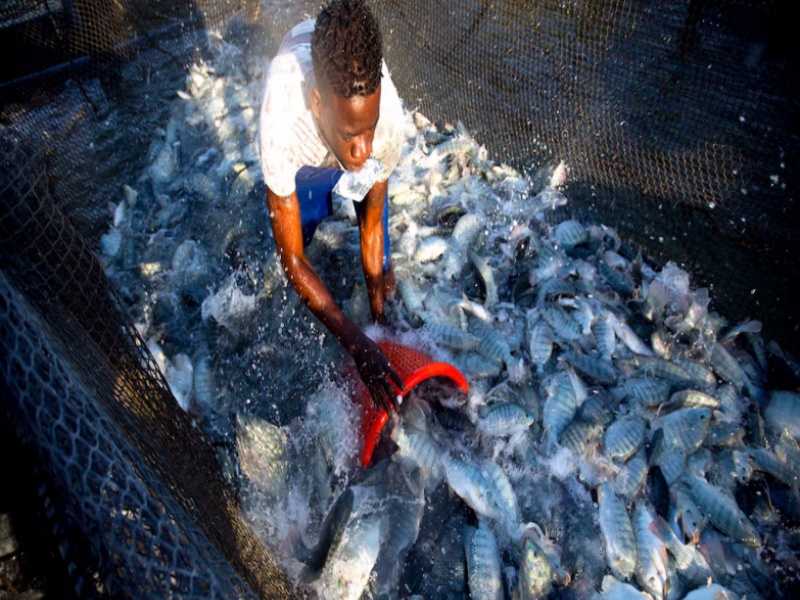
From the perspective of aquaculture scenarios, tilapia aquaculture is divided into pond rough aquaculture, factory intensive aquaculture, net box aquaculture, etc. There are differences in the feed formulations of different aquaculture modes: rough aquaculture can appropriately increase the proportion of natural raw materials to reduce the cost of concentrates, while intensive aquaculture needs to strictly control the nutritional indexes to ensure the stability of the feed and digestibility, and to meet the needs of high-density aquaculture. In terms of feed form, tilapia feeds mainly include hard pellet feeds and expanded floating feeds. Expanded floating feeds are preferred for large-scale aquaculture because they are easy to observe ingestion, reduce wastage and have high digestibility, while hard pellet feeds are suitable for small- and medium-sized farmers because of their lower cost.
The core logic of tilapia feed formulation is to meet the maximum growth demand at the lowest cost, both to avoid under-nutrition leading to slow growth and decreased immunity, and to prevent over-nutrition from causing problems such as fatty liver and eutrophication of the water body. High quality tilapia feed formulation should take into account the physiological needs of fish, the utilisation of raw materials, and the adaptability of the aquaculture environment, which is also the fundamental principle of formulation design.
Nutritional requirements of tilapia
Nutritional requirements of tilapia change with the growth stage, water temperature and breeding density, and the core nutritional indexes include protein, fat, carbohydrates, vitamins and minerals, so to accurately grasp the standard of each nutrient requirement is the basis of formula design.
(I) Protein demand
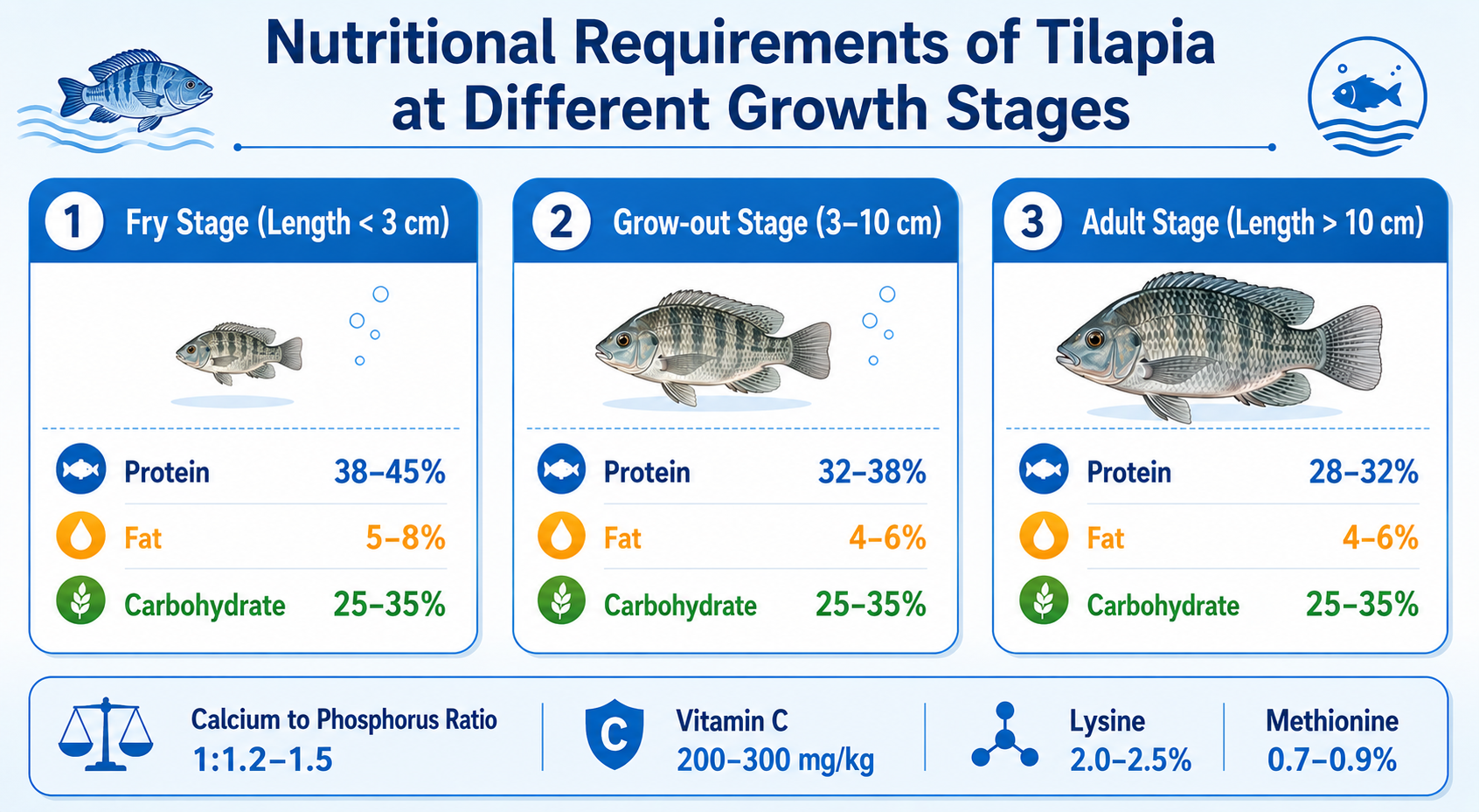
Protein is the core nutrient for tilapia’s growth, tissue repair and immune function, and it is also the ingredient with the highest proportion of cost in feed. The protein demand of tilapia shows the characteristics of high for young fish and low for adult fish: the crude protein demand in the juvenile stage (body length<3cm) is 38%-45%, in the breed stage (body length 3-10cm) is 32%-38%, and in the adult stage (body length>10cm) is 28%-32%. 32%-32% at the breeding stage (3-10cm), 28%-38% at the adult stage (>10cm) and 35%-40% at the parental stage to ensure reproductive performance. Protein quality is also critical. Tilapia have a strict demand for essential amino acids (lysine, methionine, threonine, etc.), with lysine at 2.0%-2.5% and methionine at 0.7%-0.9%. The formula needs to focus on the balance of amino acids, to avoid a single protein raw materials lead to amino acid deficiency.
(Ⅱ) Fat requirement
Fat is an efficient energy source for tilapia, which can save protein consumption and also provide essential fatty acids (linoleic acid and linolenic acid) and promote the absorption of fat-soluble vitamins. The fat requirement of tilapia is moderate, 5%-8% for juvenile fish and 4%-6% for adult fish. Excessive fat can easily cause fatty liver, while too low fat can lead to slow growth and lower feed conversion rate. Raw materials can be supplemented with fish oil, soybean oil, rapeseed oil, etc. Fish oil contains unsaturated fatty acids, which can enhance the immunity of fish and meat quality.
(Ⅲ) Carbohydrate demand
As an omnivorous fish, tilapia has a strong digestive ability for carbohydrates, which can provide energy, reduce feed costs, and also act as a particle binder. The appropriate additive amount is 25%-35%, giving priority to easy-to-digest carbohydrate raw materials such as corn, wheat and bran, and avoiding excessive addition of crude fibre raw materials to prevent digestive disorders.
(Ⅳ) vitamins and minerals demand
Although the demand for vitamins and minerals is small, they are indispensable for fish metabolism, bone development and immune function. Tilapia need to focus on supplementing vitamin C, vitamin E, vitamin B, as well as calcium, phosphorus, potassium, magnesium, iron and other minerals, of which the ratio of calcium and phosphorus need to be controlled at 1:1.2-1:1.5, calcium deficiency is easy to trigger bone deformity, phosphorus deficiency affects growth and metabolism. Add 200-300mg of vitamin C per kilogram of feed to enhance stress resistance and prevent diseases.
Common raw materials and characteristics of tilapia feeds
The selection of raw materials for tilapia feed is the basic link of formula design, and high-quality raw materials usually need to have comprehensive nutrition, good palatability, high digestibility and absorption rate, stable source and reasonable cost. From the point of view of functional division, it mainly includes protein raw materials, energy raw materials, oil and fat raw materials and additives of four major categories, various types of raw materials in the feed system, respectively, to undertake different nutritional and structural functions, and jointly determine the nutritional level of the feed and the breeding effect.
(I) Protein raw materials
Protein raw materials are the most core nutritional source in tilapia feed, which plays a decisive role in the growth rate, immunity and feed conversion efficiency of fish, and are usually divided into two categories of plant and animal proteins, which can be reasonably matched to achieve amino acid complementation and improve the overall protein utilisation rate.
Plant protein raw materials
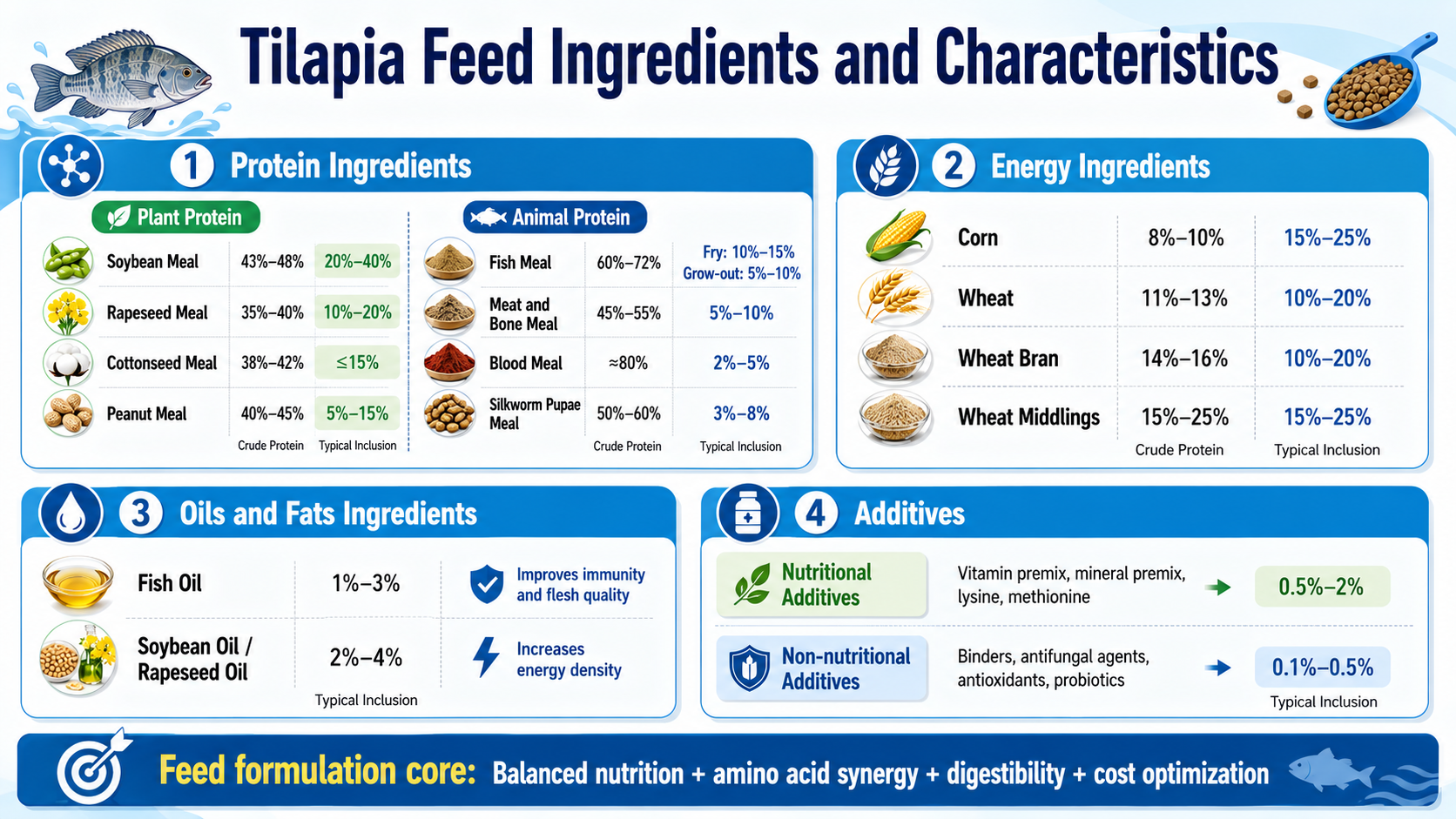
Soya bean meal is one of the most important sources of plant protein, its crude protein content is usually between 43%-48%, amino acid composition is more balanced, high digestibility, it is an irreplaceable core raw material in tilapia feed, usually added in the proportion of 20%-40%. It should be noted that priority should be given to the use of cooked soybean meal, in order to avoid the raw soybean meal trypsin inhibitors affect digestion and absorption.
Vegetable meal crude protein content is generally 35% -40%, although the nutrition is slightly lower than soybean meal, but the price advantage is obvious, can be used in the formula to replace part of the soybean meal, the amount added is generally controlled at 10% -20%, but the amount is too high may affect the feed palatability.
Cotton meal crude protein content of about 38% -42%, the price is lower, but contains a certain amount of free cotton phenol and other anti-nutritional factors, so the proportion added is generally no more than 15%, and need to be used in conjunction with soybean meal to protect the health of the fish body.
Peanut meal crude protein content of about 40% -45%, palatability is better, but easy to oxidation and deterioration, so the requirement of fresh use, add the proportion is usually controlled at 5% -15%.
Animal protein raw materials
Fishmeal is one of the best quality animal protein raw materials, its crude protein content is usually between 60%-72%, complete amino acid composition and high digestibility, it is an irreplaceable and important protein source for tilapia especially at the stage of fry, 10%-15% is added at the period of fry, and it can be reduced to 5%-10% at the period of adult fish, but due to the high cost, the proportion of fishmeal added is usually controlled at 5%-15%. It is an important source of protein for tilapia, especially at the fry stage. 10%-15% is added at the fry stage, and can be reduced to 5%-10% at the adult stage.
The crude protein content of meat and bone meal is about 45%-55%, and it is rich in calcium and phosphorus, so it can be used as a substitute for fishmeal to a certain extent, and the amount of meat and bone meal added is usually 5%-10%, but it is necessary to ensure that the raw materials are fresh and stable, or else it will easily affect the quality of the feed.
The protein content of blood meal can reach about 80%, rich in lysine and high digestibility, but the palatability is poor, so add the proportion is generally controlled at 2%-5%, to avoid excessive impact on intake.
Silkworm pupa powder crude protein content of about 50% -60%, while the fat content is higher, palatability is better, but need to be degreased to prevent oxidation and deterioration, usually add the proportion of 3% -8%.
(Ⅱ) Energy raw materials
Energy raw materials mainly provide tilapia with carbohydrate energy, and play an important role in reducing cost and improving the particle structure in the feed, which is an indispensable basic composition in the formula.
Corn is one of the most important energy raw materials, with high energy content and easy to digest, crude protein content of about 8%-10%, usually added at a ratio of 15%-25%, which needs to be fully crushed before use in order to improve the digestive efficiency.
Wheat contains high gluten protein, has good adhesion, not only to provide energy, but also can significantly improve particle stability, crude protein content of about 11% -13%, usually add 10% -20%.
Bran crude protein content of about 14%-16%, rich in crude fibre, help intestinal peristalsis, but add too much will reduce the digestibility and affect the stability of the particle structure, so it is usually controlled at 10%-20%.
The secondary flour is between flour and bran, with more balanced nutrition and better adhesive properties, it is widely used in pellet feed, usually added 15%-25%.
(Ⅲ) Oil and fat raw materials
Fats and oils are mainly used to supplement essential fatty acids, increase feed energy density, improve palatability and promote fish fat metabolism and meat quality.
Fish oil is rich in polyunsaturated fatty acids, which can significantly improve immunity and meat quality, and is mainly used in high-grade puffed feed, usually adding 1%-3%.
Vegetable oils such as soybean oil and rapeseed oil are widely available, low cost and high digestibility, and are usually added at 2%-4% in regular feed.
(Ⅳ) Additives
Although the amount of additives is small, they play an important role in perfecting the nutritional structure, enhancing the stability of feed and improving the breeding effect, mainly including nutritive additives and non-nutritive additives.
Nutritional additives mainly include vitamin premix, mineral premix and lysine, methionine and other amino acids, used to make up for the nutritional gap in the basic raw materials, usually add 0.5% -2%.
Non-nutritional additives include binder, mould inhibitor, antioxidant and probiotic, etc., in which binder is used to improve the stability of particles in water, mould inhibitor is used to extend the storage time, antioxidant is used to protect the oil from oxidation, and probiotic is used to improve the health of the intestinal tract, and the overall proportion of the overall additive is generally 0.1% -0.5%.
Tilapia feed formulation design method
The core of tilapia feed formulation design is to meet the nutritional requirements of different growth stages, on the basis of rational mixing of raw materials and cost optimisation. Commonly used methods include the empirical matching method, the nutritional balance method and the linear planning method, of which the empirical matching method is suitable for small- and medium-scale farms, while the latter two methods are more suitable for industrialised feed production systems.
(Ⅰ) Basic formulation design process
Tilapia feed formulation design firstly needs to define the nutritional requirements according to different growth stages, for example, the fry stage needs a higher protein level to support rapid growth, while the adult stage can appropriately reduce the proportion of protein in order to control the cost. After determining the nutritional indexes, suitable raw materials should be selected in combination with local raw material resources and prices, and preliminary ratios should be made to achieve a basic balance between protein and energy levels.
Subsequently, it is necessary to carry out nutritional accounting of the formula, including the calculation of crude protein, fat and mineral indicators, and constantly adjust the proportion of raw materials according to the results, so that it meets the target nutritional standards. On this basis, it is also necessary to observe the palatability and water stability of the feed through small-scale trials, and further optimise the formula structure according to the actual feeding situation. Ultimately, costing is carried out under the premise of meeting nutritional requirements to maximise economic benefits.
(Ⅱ) Characteristics of formulations for different growth stages
Fry stage usually adopts high-protein formula, with fishmeal and soybean meal as the main protein sources, and with corn, wheat and other energy raw materials, while adding fish oil and amino acids in moderation to ensure a high growth rate and feed utilisation.
The formula for the fish breeding stage emphasises nutritional balance and cost control, and increases the proportion of vegetable protein and energy raw materials while appropriately reducing the proportion of fishmeal, so that the feed not only meets the growth requirements, but also has a good economy.
In the adult stage, the main objective is low-cost fattening, further reducing the proportion of animal protein and increasing the proportion of plant-based raw materials, so as to ensure the growth performance and reduce feed costs at the same time.
Expanded floating feed is more suitable for high-density intensive aquaculture mode by optimising the starch structure and processing technology, which makes the feed have good floatability and stability in water.
(Ⅲ) Notes on formula design
In the actual formulation design process, attention must be paid to the amino acid balance, to avoid the lack of essential amino acids caused by a single plant protein. Meanwhile, the freshness of raw materials should be strictly controlled to prevent mould or oxidation from affecting fish health.
In addition, different growth stages require different levels of crude fibre. The fibre level should be strictly controlled at the fry stage, while it can be increased at the adult stage to improve digestion. Palatability is also an important factor affecting intake and can be adjusted by adding fish oil or yeast. At the same time, the formula should be flexibly adjusted with regional raw material resources to achieve the optimisation of local conditions.
Key factors affecting tilapia feed formulation
Tilapia feed formulation is not fixed, but by the fish physiological state, aquaculture environment, quality of raw materials and processing technology and other factors, so it needs to be dynamically adjusted according to the actual situation.
(Ⅰ) Fish’s own factors
There are significant differences in nutritional requirements at different growth stages. Juvenile fish need high protein and high energy to support rapid growth, while the proportion of protein can be appropriately reduced at the adult stage to control costs. When the fish are in a state of disease or stress, vitamins and immune-enhancing additives should be increased to improve disease resistance and recovery speed.
(Ⅱ) Breeding environment factors
Water temperature is an important factor affecting the feeding and digestion of tilapia. Under low temperature environment, the proportion of indigestible ingredients should be reduced and the proportion of easy-to-absorb raw materials should be increased, while the standard formula can be implemented under suitable water temperature conditions. At higher densities, feed nutrient concentrations should be increased to reduce water pollution, while at low densities the nutrient standards can be appropriately reduced.
Water quality conditions will also affect the formula structure, when the water quality is poorer should reduce the proportion of high protein, and appropriate increase in vitamin C and other anti-stress substances, in order to reduce the impact of environmental stress on the fish body.
(Ⅲ) Raw material factors
Raw material quality fluctuations will directly affect the formula effect, so we need to dynamically adjust the ratio according to the actual test results. At the same time, changes in the price of raw materials will also affect the economy of the formula, and should be optimised under the premise of ensuring that the nutrition meets the standard. In addition, some raw materials contain anti-nutritional factors, need to reduce its negative impact through processing.
(Ⅳ) Processing technology factors
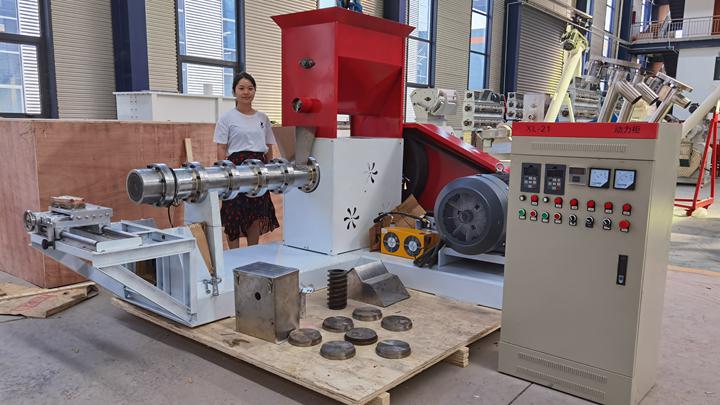
Processing technology has a decisive impact on the final feed quality. Crushing fineness directly affects the digestibility, mixing uniformity determines whether the nutrient distribution is balanced, granulation or puffing process affects the stability and utilisation of particles, while drying and cooling links are related to the storage safety and quality stability of feed.
Tilapia feed processing technology
Feed processing technology is an important guarantee to maximize the nutritional value of the formula, generally including raw material pretreatment, crushing, mixing, pelleting or puffing, drying and cooling, as well as packaging and storage and other links.
(Ⅰ) raw material pretreatment
In the production of raw materials before the need to clean up impurities, and remove mould and foreign matter. At the same time part of the plant protein raw materials need to be cooked to reduce the content of anti-nutritional factors, improve the digestive efficiency. Oleaginous raw materials are usually added at a later stage to avoid affecting the mixing uniformity.
(Ⅱ) crushing and mixing
Raw materials need to be crushed to the appropriate fineness in order to improve digestibility, followed by graded mixing for dosage, so that trace additives and bulk raw materials are fully and evenly mixed to ensure the consistency of nutrient distribution.
(Ⅲ) Granulation and expansion
Pelleting process makes starch paste through high temperature tempering to improve particle stability; puffing process forms porous structure under high temperature and high pressure conditions, which makes the feed have good floating and digestibility, and is more suitable for high-density breeding mode.
(Ⅳ) Drying, cooling and packaging
The drying process is used to reduce the moisture content to prevent mould, the cooling process is used to avoid particle deformation or agglomeration, and finally the moisture-proof packaging is used to prolong the preservation period and stored in a dry and ventilated environment to ensure the stability of product quality.
Optimisation of tilapia feed formulation and application in aquaculture
(Ⅰ) Optimisation of formulae
In the actual aquaculture process, the formula structure should be dynamically adjusted according to the change of feed conversion rate. When the feed conversion rate is low, the protein structure and amino acid balance should be optimised; when the conversion rate is good, the cost can be reduced appropriately. At the same time, by adding enzymes and probiotics, it can further improve the digestibility and absorption rate and reduce feed waste.
(Ⅱ)Feeding management and application
Different growth stages should choose appropriate pellet specifications and reasonably control the feeding frequency. Fry stage should be fed a small amount of times, while adult stage should reduce the feeding frequency but increase the feeding quantity. The feeding quantity should be flexibly adjusted according to the weight of fish and feeding situation to ensure adequate feeding and reduce the residual bait polluting the water body, so as to realise efficient aquaculture management.
Summary
Tilapia feed formulation is a systematic project, the core of which is to accurately match the nutritional requirements, scientifically select raw materials, optimise the processing technology and dynamically adapt to the aquaculture environment. High-quality tilapia feed formulation can not only meet the nutritional requirements of fish growth, immunity and reproduction, but also control the cost and enhance the aquaculture efficiency, which is the core support of efficient tilapia aquaculture.
For small and medium-sized farmers, they can adopt the empirical formulation method, choose local easy-to-obtain and low-cost raw materials, and make hard pellet feed to ensure that the basic nutrition meets the standard; for large-scale aquaculture enterprises, it is recommended to adopt the nutrient balance method or the linear planning method with the puffing processing process, to produce highly nutritious and highly utilised floating feeds, and to enhance the standardisation and efficiency of aquaculture.
In the future, tilapia feed formulation will develop in the direction of low fishmeal, high vegetable protein, environmental protection and high efficiency, and through fermented raw materials, enzyme digestion technology, and precise nutritional regulation, it will further reduce the cost, improve the quality, and help tilapia aquaculture industry to develop in a green and sustainable way.