
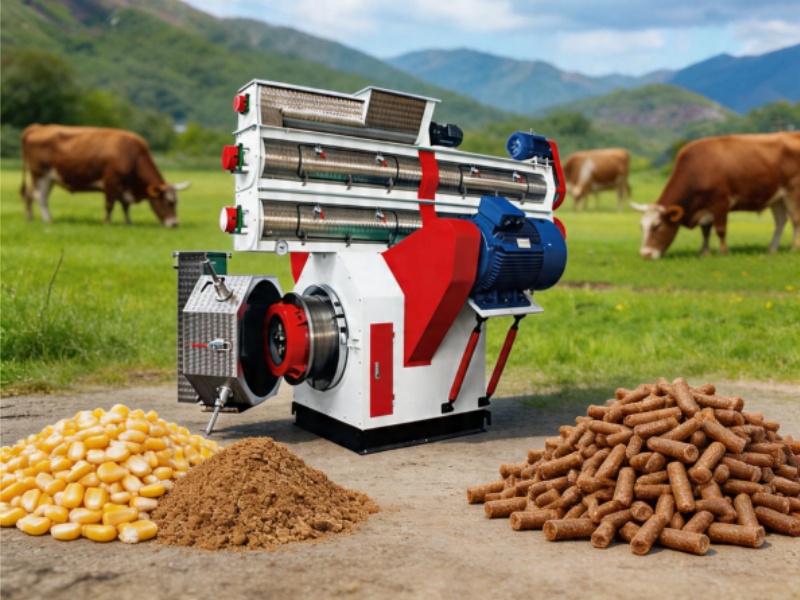
Before making cattle feed pellets, the breed, growth stage and production use of cattle should be clearly defined, and scientific nutritional formulas should be designed accordingly. Priority should be given to the use of high quality raw materials that are readily available locally, free of mould, impurities and pollution, and the use of expired, deteriorated, contaminated or toxic materials is strictly prohibited.
Family farms are recommended to carry out small batch trial production, repeated debugging of equipment parameters and raw material ratios, to be particles forming rate, palatability, digestibility are up to standard before mass production. Large-scale production needs to establish a whole process quality management system of raw material acceptance, production control, finished product testing, fixed operating standards, to protect the long-term stability of feed quality.
During the production process, we should do a good job in the daily maintenance of equipment and production site cleaning and disinfection, regularly check the operating status of the crusher, mixer, pellet mill, cooler and other equipment, and timely replacement of wear parts, to prevent equipment failure affecting production efficiency.
Storage links need to keep the environment dry, ventilated, cool, protected from light, moisture-proof, mould-proof, rodent-proof, insect-proof measures, strict control of environmental temperature and humidity, to effectively extend the shelf life of the feed, to ensure that the cattle feed safety and health.
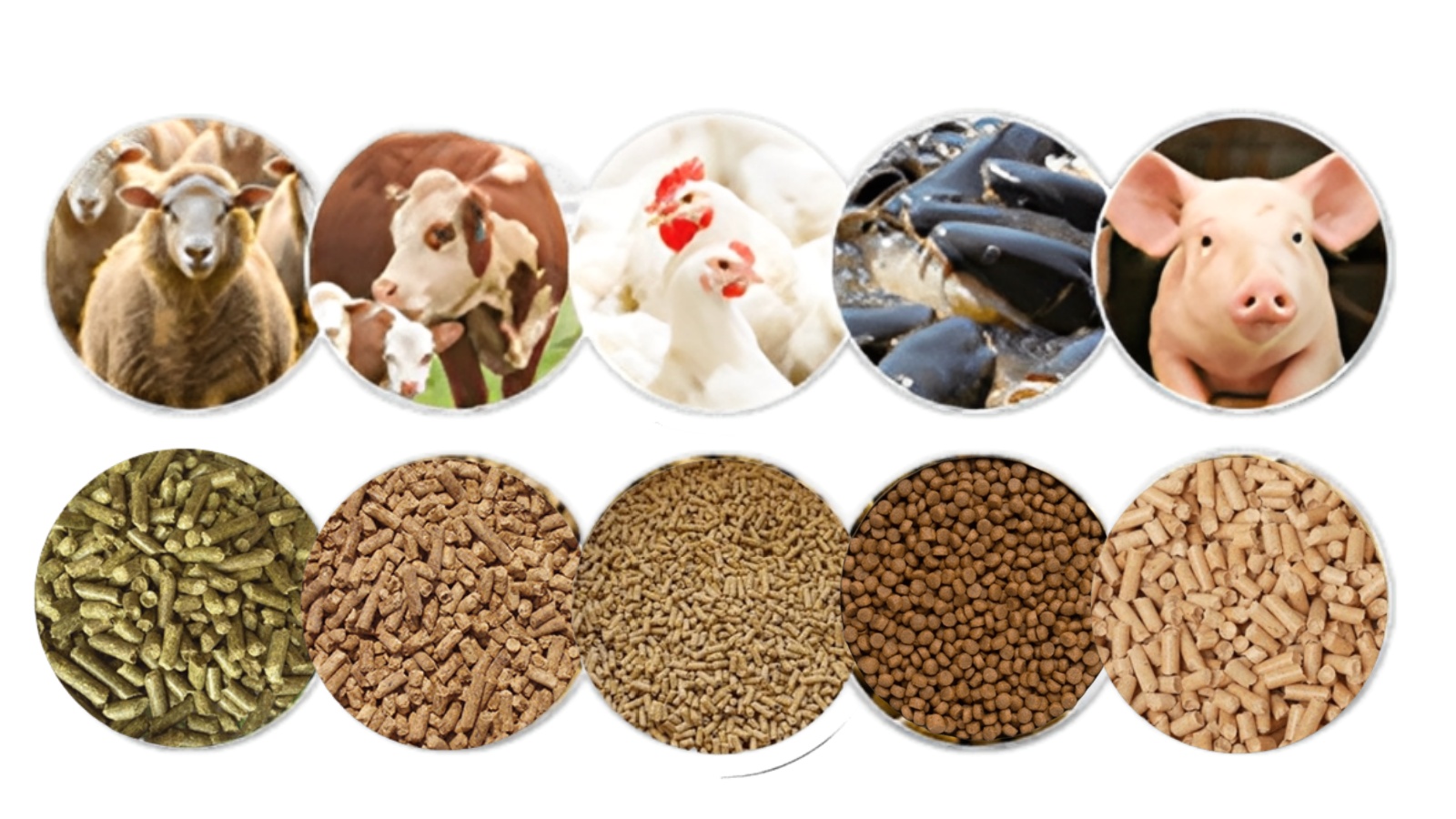
What is cattle feed pellets?
Cattle feed pellet is a full-value granular feed that is compressed and moulded by special feed pellet machine under the joint action of high temperature, high pressure and mechanical extrusion, and mixed with energy raw materials, protein raw materials, crude fibre raw materials, vitamins, minerals and other kinds of feed raw materials according to the scientific ratio.
It is not only suitable for cattle breeding of different breeds such as yellow cattle, dairy cattle, beef cattle, but also can be widely used in sheep, goats and other ruminants feeding, specially designed for cattle milk production, fattening, reproduction, daily maintenance of life activities and other physiological needs.
The feed is rich in high quality protein, easily digestible carbohydrates, crude fibre, macronutrients, trace elements, multi-vitamins and other comprehensive nutrients, which can accurately meet the nutritional needs of cattle at different stages of the calving period, fattening period of fattening cows, peak milk production period of dairy cows, gestation period of female cows and the empty pregnancy period, and provide a stable support for the healthy growth and high efficiency of cattle production.
Compared with traditional bulk feed and powder, pellet feed is more concentrated in nutrition, more convenient in feeding, less wasteful and more convenient in storage, which is the standard feed form for modern large-scale, standardised and intensive farming, and also an important technical support to promote the transformation of the cattle breeding industry from traditional free-range farming to scientific farming.
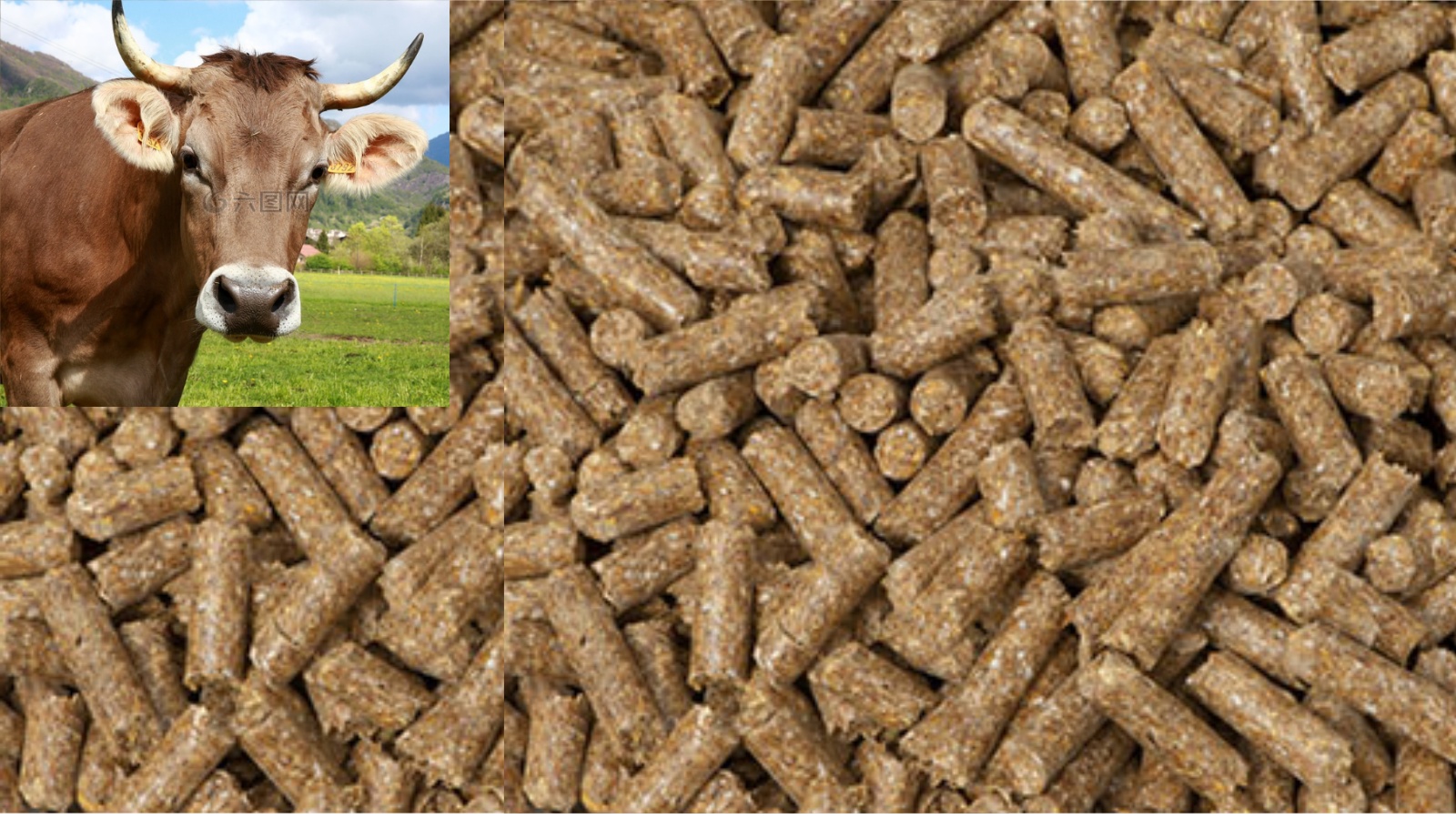
Why use cattle feed pellets? Core Advantages
Balanced nutrition
Cattle are naturally picky eaters, and when fed with traditional bulk or powdered feed, cattle will only give priority to ingredients with good taste and strong palatability, such as corn, soybean meal and other concentrates, and deliberately avoid straw, pasture and other coarse-fibre raw materials.
Long-term feeding is prone to unbalanced intake of proteins, minerals and vitamins, which leads to slow growth, reduced milk production and lower reproductive performance.
Pellet feed is evenly compressed with all nutrients such as protein, energy, minerals and vitamins in each pellet through the process of ultra-micro crushing, full mixing and high-pressure moulding.
Cows can’t pick and choose the raw materials when feeding, but can only chew and swallow the whole pellet, which ensures that the nutrients ingested in each mouthful are completely consistent, eliminating the nutritional imbalance caused by picking and choosing food from the root, and stably guaranteeing the growth and development of cows, their milk production performance and reproduction ability.
Higher digestibility
Cattle belong to ruminants, feed digestion depends on rumen microbial decomposition, traditional roughage without treatment of crude fibre structure is hard, starch and protein is natural state, difficult to be fully decomposed and utilized, feed utilization rate is low.
Cattle feed pellets are crushed, tempered and moulded at high temperature and high pressure, effectively destroying the hard structure of crude fibre, promoting full pasting of starch and moderate denaturation of protein.
The contact area between the feed and rumen microorganisms is greatly increased, which makes the nutrients easier to be digested and absorbed by cattle. Compared with traditional bulk feed, the digestibility of pellet feed can be increased by 15%-30%.
This significantly improves feed conversion efficiency, accelerates the weight gain of fattening cows, improves milk production and milk quality, and maximises the benefits of farming.
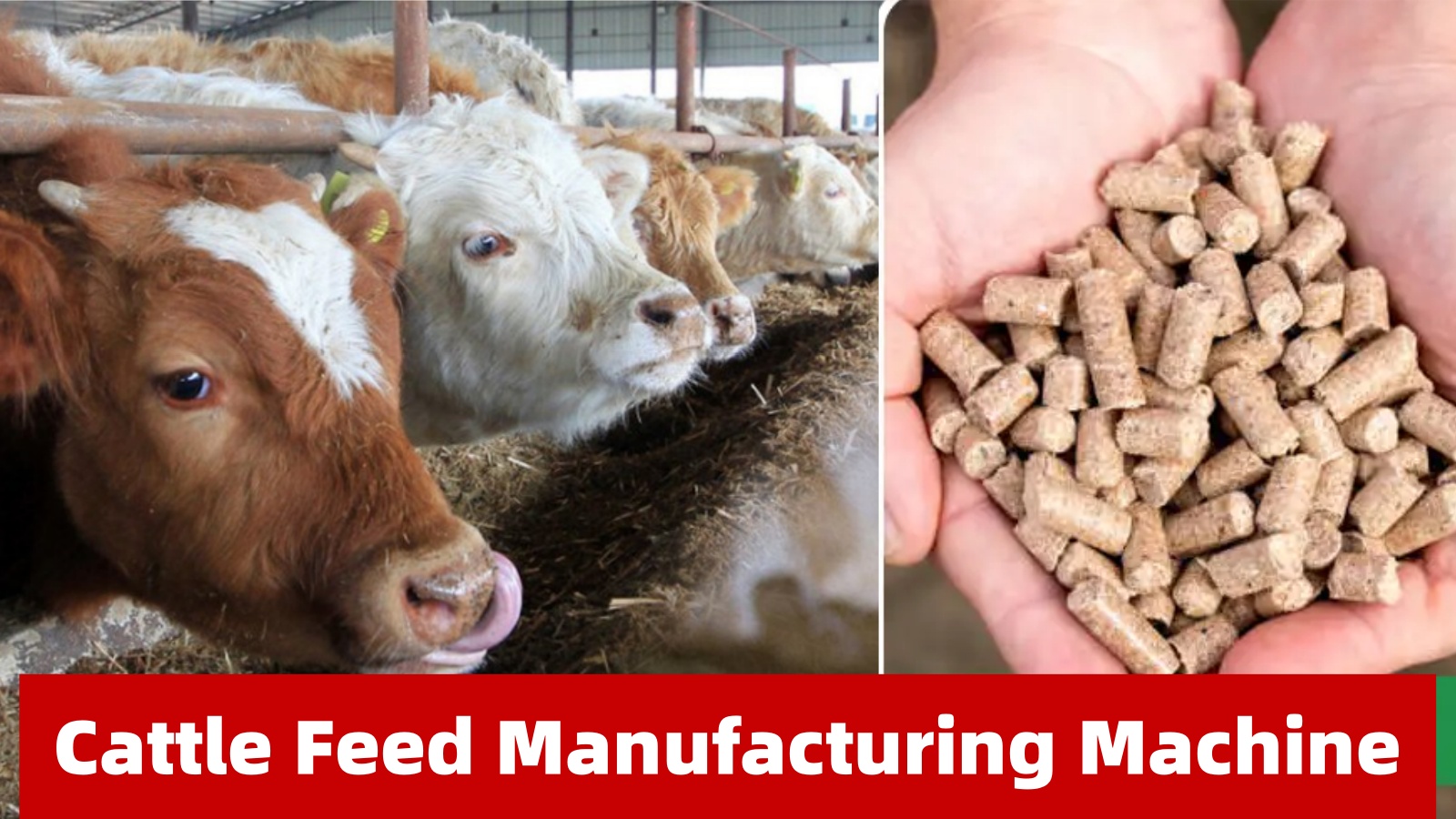
Reduce feed waste
Feed costs usually account for 60%-70% of the total cost of raising cattle, reducing waste is the key to controlling costs. Traditional bulk feed is easily trampled by cows, blown away by wind, washed away by rain, and powdered feed generates a lot of dust, resulting in serious feed wastage.
Pellet feed has a firm texture, high moulding degree, no dust, no scattering, and will not be wasted during feeding due to cattle’s feeding action or environmental factors.
As verified by actual breeding data, the use of cattle feed pellets can reduce feed loss by 10%-20% compared with bulk feed, which can save several thousand to tens of thousands of yuan of feed cost per year according to the calculation of medium-sized farms.
Long-term use of economic benefits is very significant, is an important way to reduce farming costs.
Easy to store and transport
Traditional bulk material volume fluffy, low density, storage space, and easy to absorb moisture, mould, caking, easy to scatter during transport leakage.
Cattle feed pellets after high-pressure compression of small volume, high density, the same weight under the storage space is only 1/2-1/3 of the bulk material, a substantial savings in storage area.
Meanwhile, the surface of the pellets is compact, the moisture-proof, mould-proof and oxidation-proof performance is much better than that of bulk material and powder, and the stability is strong in dry and ventilated environment, which is suitable for batch storage and long-distance transport.
It is suitable for batch storage and long-distance transport. It meets the demand of family farms for small batch self-use, and is also suitable for large-scale farms for large batch and long-distance turnover use, with strong versatility.
Reduce morbidity
The intestinal health of cattle directly affects the survival rate and production performance. Traditional bulk feed is prone to breeding E. coli, salmonella, moulds and other harmful pathogens during storage and feeding, which can easily cause diarrhea, enteritis, rumen flatulence and other illnesses after the cattle eat it.
Cattle feed pellets will undergo high temperature treatment of 70-90℃ in the process of tempering and pelleting, which can effectively kill harmful germs and parasitic eggs in raw materials, inhibit the reproduction of moulds, and greatly improve the level of feed hygiene and safety.
Clean and hygienic feed can effectively reduce the occurrence of intestinal diseases in cattle, enhance their own immunity and reduce the cost of veterinary drugs.
It also improves the survival rate of calves, the reproduction rate of cows and the overall health of the herd, and contributes to ecological and healthy farming.
High-quality raw materials for making cattle feed pellets
Carbohydrates
Energy-based raw materials are the core of cattle feed pellets, mainly providing cattle with carbohydrates and calories for daily activities, growth and development, milk production and reproduction, which is the key to maintaining the basic life activities of cattle.
Commonly used raw materials include corn, barley, wheat, sorghum and other cereals, sweet potatoes, potatoes and other potatoes, as well as flour mill scraps, flour, bran, rice bran and other agricultural by-products.
These raw materials have high starch content, good palatability, high digestive utilisation, and are perfectly suited to the digestive characteristics of the rumen of ruminants. Corn is the most cost-effective energy ingredient, with a starch content of more than 70%, accounting for up to 50%-60% of the formula, and is the preferred energy source for making cattle feed pellets.
It is the preferred energy source for the production of cattle pellets. It is important to ensure that the raw material is dry, free of mould, germination and impurities to avoid mycotoxins that may be harmful to the health of the cattle.
Protein
Protein is the core nutrient for cattle muscle growth, mammary gland development, milk secretion, cell repair, protein ingredients are the core nutritional composition of cattle feed pellets.
Commonly used raw materials to soybean meal, vegetable meal, peanut meal, cottonseed meal, sunflower meal and other oil cake meal, including corn protein powder, protein sang, alfalfa grass powder, yeast flour.
The protein content of these raw materials can reach 30% -45%, can fully meet the fattening period, milk production period, gestation period cattle high protein demand. Soya bean meal has balanced amino acids, good palatability, high digestibility, and is the best quality protein raw material.
Peanut meal has a strong aroma, which can enhance the palatability of feed; rapeseed meal and cottonseed meal are inexpensive and suitable for use to reduce costs, but need to do a good job of detoxification. The proportion of protein raw materials in the formula is usually 15%-25%, which can be flexibly adjusted according to the different stages of cattle.
Crude fibre
Cattle as ruminants, crude fibre is to maintain the normal peristalsis of the rumen, to ensure the ruminant behaviour, to maintain the digestive function of the necessary substances, long-term lack of crude fibre will lead to rumen flatulence, food accumulation, digestive disorders and other serious problems.
Raw materials of crude fibre are mostly agricultural wastes, with wide sources and low costs, suitable for large-scale use. It mainly includes peanut seedlings, sweet potato seedlings, alfalfa, ryegrass and other high-quality forage, corn stalks, wheat straw, rice straw, soybean straw and other crop residues.
There are also rice husk, peanut shells and other processing by-products. Among them, peanut seedlings and alfalfa grass are palatable and nutritious, and corn stover is productive and easy to obtain, which is the main roughage for large-scale farming.
Crude fibre raw materials accounted for 15%-25% in the formula, calves appropriately reduced, adult cattle, fattening cows, dairy cows need to ensure adequate supply to maintain rumen health.
Supplements and additives
Although they do not account for a large proportion of the total, excipients and additives are vital to improving pellet quality, nutritional levels, moulding rate and storability. Commonly used auxiliaries include molasses, oil, bran, etc. Molasses is a by-product of sugar cane and sugar beet processing, with high sugar content and strong viscosity.
It improves palatability, enhances raw material bonding, and improves pellet forming rate; oil and grease can enhance energy level, reduce mould wear, and increase pellet gloss.
Additives mainly include vitamin additives, mineral additives, probiotics, enzymes, etc., which are used to supplement vitamin A, D, E, B and calcium, phosphorus, cobalt, manganese, selenium, iodine and other macronutrients to prevent nutritional deficiencies, regulate rumen flora, and improve digestibility.
Excipients and additives account for 1%-5% of the formula, and must be used in regular feed-grade products and added in strict accordance with the standards to ensure safety and efficiency. Raw material selection overall follow the principle of nearby materials, cost control, nutritional standards, safety and non-toxic, family farms can make full use of local resources to reduce costs.
Steps for making cattle feed pellets
Step 1: Raw material cleaning and rough crushing
Raw material cleaning and rough crushing is the basic link of making pellet feed, which directly affects the operation of the equipment and the quality of the pellets. First of all, straw, pasture, cake meal, grain and other raw materials, lay flat, artificial or mechanical removal of soil, stones, plastic, metal, weeds and other impurities.
Thoroughly remove mouldy, rotten and spoiled parts to prevent impurities from damaging the equipment or contaminating the feed. Clean up after the completion of the raw materials into the feed hammer mill, grain, cake meal and other concentrate crushing fineness control in 1.5-2mm.
Straw, pasture and other coarse material crushing fineness control in 2-3mm, to ensure that the fineness of the powder is uniform, no large lumps. After crushing with a special sieve through the sieve, the coarse and fine powder classification storage, to avoid uneven coarse and fine impact on the subsequent mixing effect.
Do a good job of these basic work, in order to provide qualified raw materials for the subsequent process to ensure.
The second step: accurate ingredients and mixing
Accurate batching and mixing is the core step to ensure balanced nutrition. First of all, according to the cattle breed, growth stage, production use to formulate a scientific formula, using electronic scales to weigh the ingredients accurately, strictly according to the proportion of the operation, to eliminate the error of manual estimation.
At the same time, vitamins, minerals, molasses, fats and other auxiliary additives are added. Then put the ingredients into the feed mixer, horizontal mixer mixing 10-12 minutes, vertical mixer mixing 15-20 minutes.
Ensure that all the raw materials are fully mixed, no stratification, no lumps, no segregation, to ensure that the nutrition of each powder is completely consistent. The uniformity of mixing directly determines the quality of pellet feed, which is the key link to guarantee the balanced nutrition of cattle.
Step 3: Tempering treatment (key step)
Tempering treatment is the core key process to determine the quality of pellets, which cannot be omitted. After mixing, the powder is sent into the special tempering device, and high-temperature steam is fed into it to carry out hydrothermal treatment, controlling the tempering temperature of 70-90℃ and the time of 3-5 minutes, so as to make the moisture content of the powder reach 16%-18%.
High temperature steam can achieve full pasting of starch, moderate denaturation of protein, softening of crude fibre structure, and at the same time kill most of the harmful bacteria and parasite eggs.
It can greatly improve the digestibility and palatability of feed, enhance the adhesion of raw materials, improve the pellet forming rate, reduce the wear and tear of pellet mill moulds and prolong the service life of the equipment.
The tempering process requires precise control of temperature and time, the temperature is too low to achieve the effect of ripening and sterilisation, the temperature is too high to destroy vitamins and other heat-sensitive nutrients, affecting the nutritional value of feed.
Step 4: Pressing and moulding
Pressing and moulding is the core process of transforming powder into granule. The qualified powder will be evenly fed into the cattle feed pellet machine, according to the cattle feeding characteristics of the selection of 4-6mm diameter flat die or ring die mould, calves with 4mm, adult cattle, fattening cattle, dairy cattle with 5-6mm.
Pellet machine through the pressure roller and mould high pressure extrusion, the powder will be forced out of the mould hole, cut off by the cutter to form a uniform length of cylindrical particles. The temperature of the pellets is about 60-80℃, the water content is about 17%, and the texture is soft and warm.
In the production, it is necessary to keep the feed uniform and stable, to avoid too fast blocking or too slow production reduction, real-time observation of the pellet moulding status, loose and fragile when adjusting the humidity and pressure of the tempering.
Reduce the proportion of crude fibre when it is too hard and rough to ensure that the pellet forming rate of more than 95%, smooth surface, no cracks, uniform texture.
Step 5: Cooling and drying
Cooling and drying is the key link to guarantee the storage stability of pellets. Fresh out of the machine particles high temperature and high humidity, direct storage is very easy to mould, caking, deterioration, must be quickly cooled down dehumidification.
Scale production lines use special pellet cooler, using air cooling method to quickly cool down, cooling 15-20 minutes, so that the temperature of the pellets down to near room temperature, moisture down to 11%-12% of the safe storage standards.
Small batch production in family farms does not need cooling machine, the pellets can be evenly spread on dry, ventilated, cool ground or plastic sheet, thickness not more than 5cm, natural ventilation and drying for 2-4 hours, turning every 30 minutes to ensure uniform heat dissipation and moisture.
Cooling process is strictly prohibited in the sun, to avoid loss of nutrients; strictly prohibited in a humid environment to prevent secondary moisture absorption.
Step 6: Sieving and packaging
Sieving and packaging is the last part of the production process, which is used to improve the quality of pellets and storage convenience. The cooled pellets are fed into the sieving machine, through different aperture mesh to separate the broken material, powder, too long or too short unqualified pellets.
The sifted crumbs can be returned to the pellet mill for secondary pressing to minimise wastage. After sieving, we get the qualified pellets with uniform size and quality.
Family farms can put the pellets into dry, sealed woven bags, plastic drums or storage tanks, labelled with the date of production, formula, applicable to the stage of cattle; large-scale chemical plants use automatic weighing and packaging machine, according to the standard 25kg or 50kg quantitative packaging.
The bags are sealed to prevent moisture, clearly marked with product name, formula, shelf life, scope of application and other information to facilitate storage, transport and sales.
Cattle feed pellet mill type and purchase tips
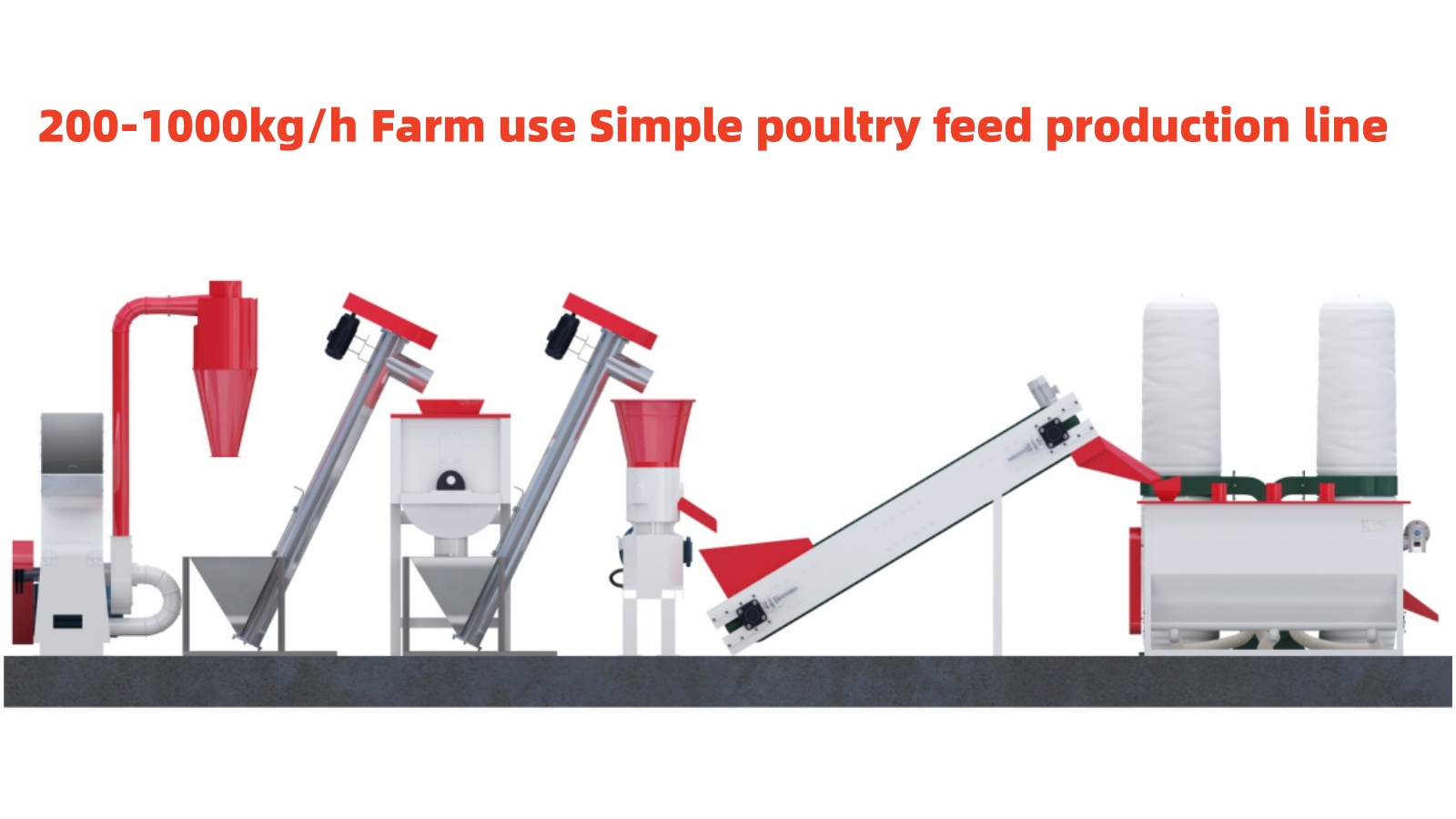
Flat die pellet mills are the preferred equipment for small and medium-sized farming scenarios, mainly suitable for family farms and small-scale feed processing plants, designed with practicality, convenience and economy in mind, with a low to medium production capacity of 100-1000 kg/hour as a general rule.
The cost of purchase, operation and maintenance and wearing parts is relatively low. The structure of the equipment is simple and compact, small in size, occupies little space, has a low threshold for operation, and the daily maintenance is simple and convenient, no need for professional technicians to complete the operation, maintenance and replacement of wearing parts.
Completely meet the needs of family farms and small farms for homemade and self-use. The flat die pellet mill has excellent adaptability to the raw material proportion of corn, soybean meal and other concentrates, and the pellet moulding is stable and the quality is reliable.
It can effectively reduce the investment and cost of equipment for small and medium-sized farms, and is the preferred model for cattle farms with less than 100 heads.
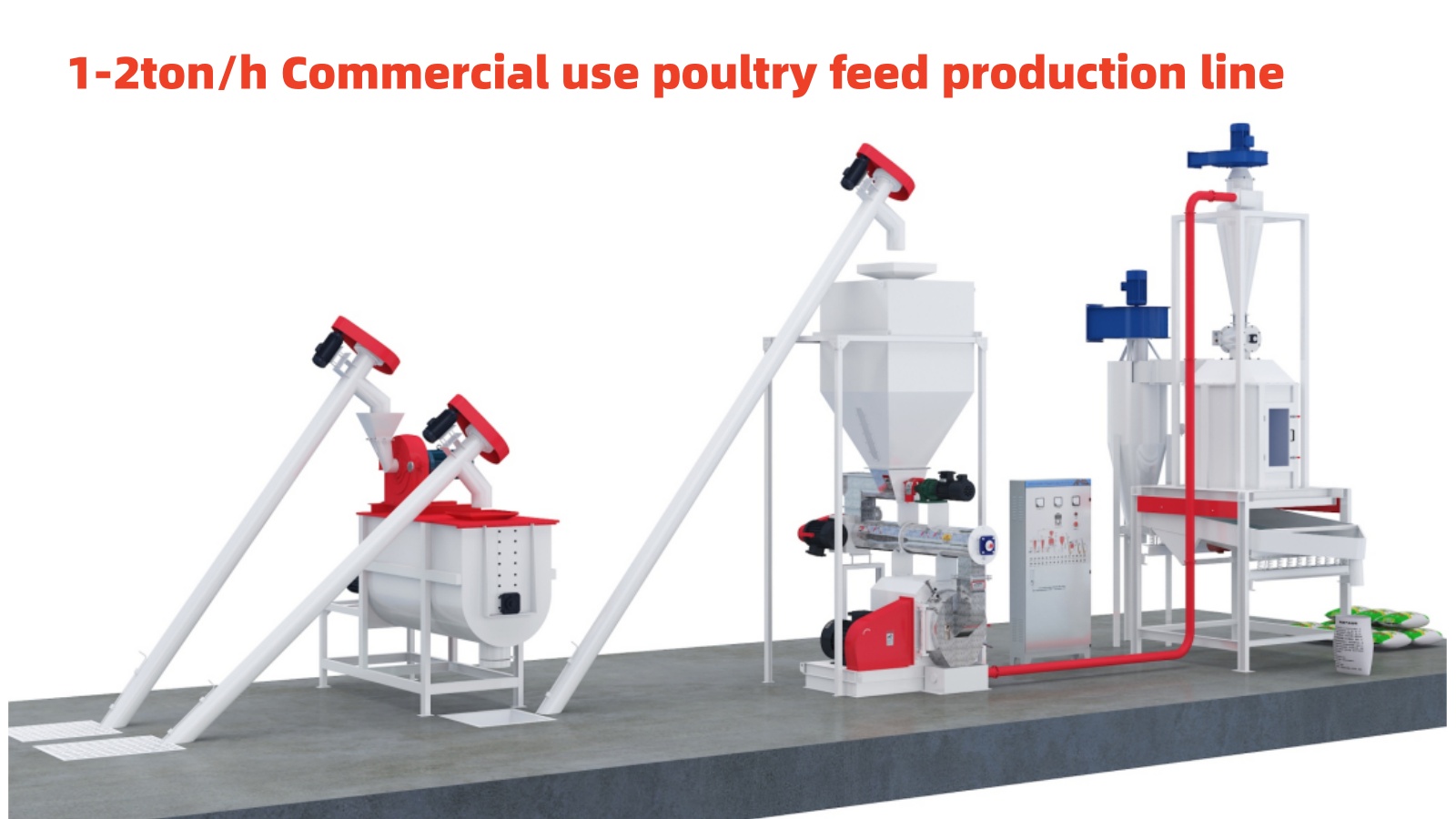
Ring die pellet mill mainly focuses on large-scale, high-efficiency and continuous production, the core is suitable for large-scale feed processing plants and large-scale breeding bases, the output is at the middle to high level, the output is not less than 1 ton per hour, and the maximum output can be up to 5-10 tons.
It can operate continuously for 24 hours without interruption, and the production efficiency is very high. Although the purchase cost and operation and maintenance cost of the equipment are relatively high, the pressing pressure is high and the power is strong, and it has a very strong ability to process coarse fibre raw materials.
It can easily adapt to the proportion of straw, pasture and other raw materials with more than 30% of crude fibre, making full use of agricultural waste to reduce costs. The pellets produced by the ring mould machine have uniform density, smooth surface, moderate hardness and stable quality, which are in line with the commercial feed standard.
It can meet the demand of large-scale cattle feed mass production and sales, and is the core equipment for large-scale breeding and feed enterprises to improve efficiency and ensure quality.
The purchase of cattle feed pellet mill needs to be combined with their own production scale, raw material characteristics and cost budget, follow the principle of specialisation, rationalisation, practicality, the core skills are as follows: First, according to the output demand selection, the actual purchase of equipment rated output should be slightly higher than the actual production demand, leaving a 10%-20% balance.
To cope with mould wear and tear, raw material fluctuations, increased tasks, etc., to ensure stable and efficient production; Second, according to the type of raw material selection, raw materials such as straw, pasture and other coarse fibres accounted for more than 20% priority selection of ring mould machine, to concentrate mainly flat mould, ring mould can be, small and medium-sized farming selection of flat mould is more economical.
Third, verify the qualification of manufacturers, give priority to manufacturers with formal production qualification, business license, test report, perfect after-sales service, sufficient supply of wearing parts, to avoid the risk of three-no products and no after-sales service; fourth, pay attention to the specifications of the mould, cattle feed, high crude fibre, high resistance to compression.
It is recommended to choose 2-3mm thinner moulds to reduce energy consumption and improve the quality of moulding, and choose 4-6mm aperture to suit the cattle feeding.
Frequently Asked Questions (FAQ) about Cattle Feed Pellets
Which is more suitable, homemade cattle feed pellets or buying finished feed?
The core depends on the scale of farming, cost budget, energy input and access to raw materials, according to the need to choose the most cost-effective. Large-scale farms (more than 10 heads), have enough space and time, and can obtain cheap raw materials such as straw, pasture, agricultural scraps, etc., are preferred to homemade.
It can save the price difference between the middlemen, adjust the formula flexibly to suit different stages, and save 200-500 yuan per tonne of feed compared with the finished product, with remarkable long-term breeding benefits. Small-scale backyard farmers (less than 10 heads), no processing equipment, limited energy, no cheap raw material sources, it is recommended to buy finished products.
Finished feeds are highly standardised, nutritionally balanced and of stable quality, and there is no need to invest in equipment, manpower and space, which saves effort and avoids improper homemade operation affecting feed quality.
Novice farmers can first small batch trial production, familiar with the equipment, formula and process before expanding the scale, reduce the cost of trial and error; purchase of finished products need to choose the regular manufacturers, test reports, good reputation of the product, to avoid poor-quality, mouldy, nutritionally uneven feed.
Can freshly produced pellets be fed directly to cattle?
Direct feeding is not recommended. The temperature of freshly produced pellets is as high as 60-80℃, and the moisture content is about 17%, which is in a high temperature and high humidity state. Direct feeding will stimulate the gastrointestinal mucosa of the cows, which will lead to gastrointestinal discomfort, diarrhoea, and indigestion, etc. The pellets may also be abnormal in the rumen.
It may also cause abnormal fermentation in the rumen, leading to flatulence and endangering the health of cattle. The correct practice is to cool the pellets to room temperature and reduce the moisture to 11%-12% before feeding.
This not only protects the cows’ stomach and intestines, but also improves the storage stability and ensures the safety of cattle feeding.
How long can cattle feed pellets be stored?
The storage time mainly depends on the storage environment, packaging method and moisture of the pellets. In a dry, ventilated, cool and lightproof environment, packed in sealed bags or containers, the pellets can be safely stored for 3-6 months if the moisture of the pellets meets the standard (11%-12%).
If the environment is humid, hot and stuffy, direct sunlight or the package is not sealed properly, the granules are easy to absorb moisture, mould, oxidation, nutrient loss, and the storage time will be shortened to 1-2 months.
Ways to prolong the storage period: make sure the granules are completely cooled and dried before packing; seal the package tightly and squeeze out the air; place it on the shelf 10cm from the ground and 5cm from the wall to avoid the moisture returning from the ground.
Regularly check the pellets and stop using them immediately if you find lumps, mould or strange smell to prevent endangering the health of cows.
What is the feeding quantity for different stages of cattle?
The feeding quantity of cattle feed pellets should be adjusted accurately according to the breed, body weight, stage and usage to avoid over or under feeding. Basic maintenance period (non-fattening, non-milking, non-pregnant adult cattle): 1kg per day for cows, 1.25kg per day for buffaloes.
Milking period: for every 4kg of milk produced, 1kg (cow) and 1.25kg (buffalo) of pellets should be fed; 8 weeks before giving birth (late pregnancy): 1-2kg per day for cow, 1.25-2.5kg per day for buffalo.
Beef cattle in fattening period: daily feeding amount is 1.5%-2% of body weight, evenly fed in 3 times to ensure nutrition supply, speed up weight gain and improve fattening efficiency.
Can I make my own pellets without a cooler?
Yes, there is no need for a cooler for small batches at home. Spread the pellets evenly on a dry, ventilated and cool cement floor or plastic sheet, with a thickness of no more than 5cm, to avoid uneven heat dissipation.
Turning every 30 minutes, when the ambient temperature is about 25℃, natural drying for 2-4 hours can reduce the temperature to room temperature, moisture to 11%-12%, to achieve safe feeding and storage standards.
Avoid rainy, foggy and humid weather to prevent the pellets from absorbing moisture and deteriorating, and avoid the loss of nutrients caused by sunlight to ensure the quality of the pellets.
Summary
The core of making cattle feed pellets is to choose the right quality raw materials, standardise the production process, buy the right equipment and strictly control the quality standards. Whether the family ranch homemade for their own use, or start a feed mill scale production, as long as a firm grasp of the raw material cleaning and crushing, accurate ingredients and mixing, tempering, pressing and moulding, cooling and drying of the five core steps.
Strictly control the quality of raw materials, nutrient ratios, particle moisture, moulding rate of the four key indicators, you can make a balanced nutrition, palatability, high digestibility, low cost, safety and health of high-quality cattle feed particles.
The use of pellet feed can effectively reduce farming costs, reduce feed waste, improve feed utilisation, reduce cattle morbidity, fattening cattle can shorten the turnout cycle, improve weight gain, dairy cows can enhance milk production, improve milk quality.
Fundamentally enhance the comprehensive benefits of farming. Mastering the technology of cattle feed pellet production is the key method for modern cattle farmers to achieve scientific breeding, improve quality and efficiency, and stable profitability, and it is also an important support to promote China’s cattle industry to standardisation, intensification and green development.