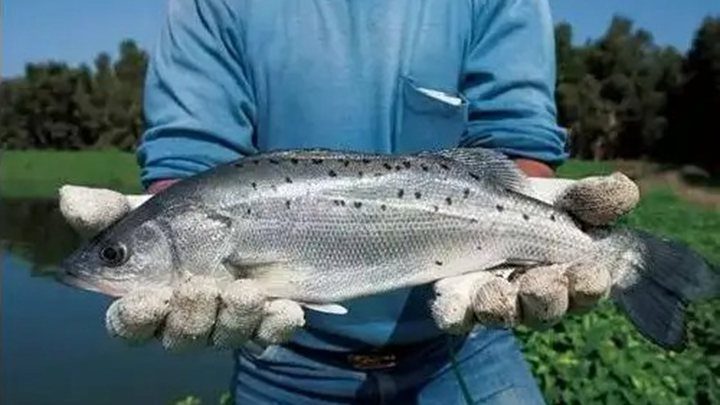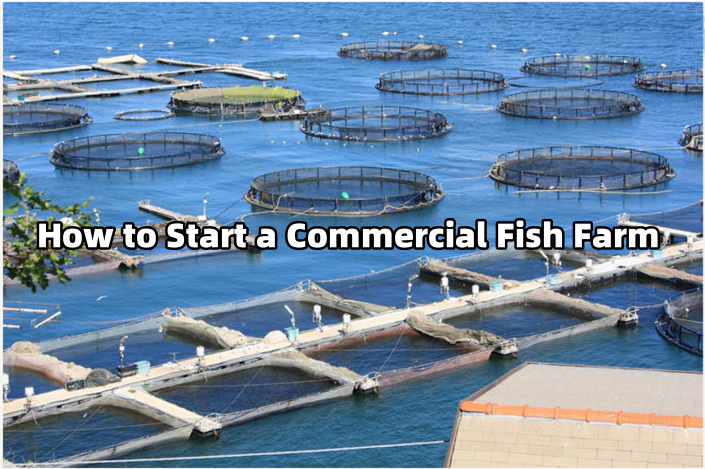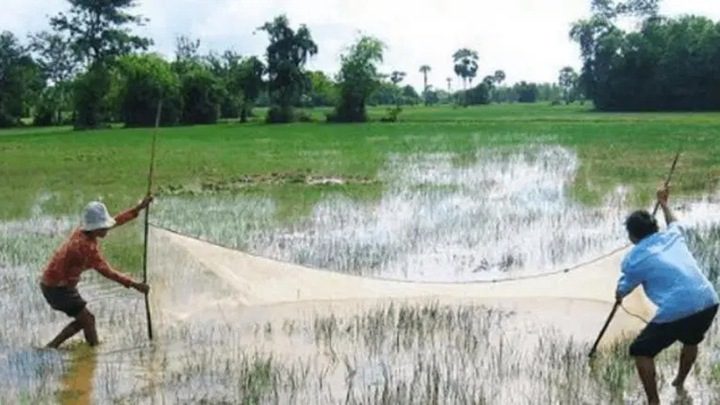

Nigeria is the largest aquaculture country in sub-Saharan Africa, with rapid development of the industry. Population growth and dietary upgrading have led to a huge gap in fish demand and a high degree of import dependence, which has directly led to an explosion in the demand for fish feed.
The mainstream local aquaculture species are catfish (the largest) and tilapia, which have long relied on traditional sinking feeds, which have the disadvantages of nutrient loss, pollution of water bodies, and difficulty in controlling t
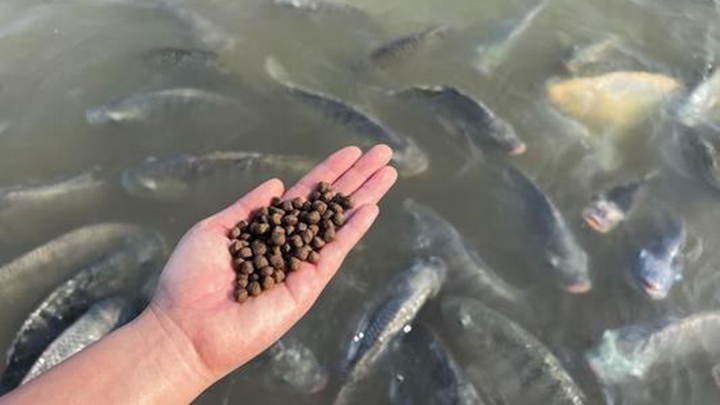
For Nigerian farmers, floating feeds can visualize the fish feeding situation, precisely control the feeding amount and reduce the management difficulty; at the same time, it is highly stable, which reduces the waste of feeds and pollution of the water body, and lowers the incidence of fish diseases.
High-temperature expansion makes the nutrients easier to be digested by fish and improves the feed conversion rate, which is suitable for local mainstream aquaculture species and widely used. Compared with sinking feeds, floating feeds can improve the profit of aquaculture in the long run, although the initial investment in equipment is higher, which is an inevitable choice for aquaculture upgrading.
Ingredients for the production of floating fish feeds
Ingredients follow the principle of balanced nutrition and local accessibility, with a core of five categories, which can guarantee quality and reduce costs by controlling the proportion.
Protein source (30-50%)
The core nutrition for fish growth, local fishmeal (high-quality core), soybean meal (cost-effective mainstay), peanut meal (low-cost alternative), with cottonseed meal, rapeseed meal (control the dosage) as needed.
Carbohydrate and energy source (10-30%)
Guarantee enhe feeding amount, thus affecting the aquaculture efficiency.
At present, the local floating fish feed production capacity is insufficient, a lot of reliance on imports, pushing up the cost of aquaculture and unstable supply; and local corn, soybean and other raw materials are abundant, the production of floating feed can eliminate the cost of imports, pricing is more competitive, and the potential for profitability is significant.
Floating fish feed pellet machine is the core production equipment, which can process local raw materials into feeds suitable for mainstream fish farming, cracking the technical bottleneck, and at the same time can be customized formulas to promote the development of aquaculture to the scale and standardization.
What is floating fish feed pellets and why is it vital?
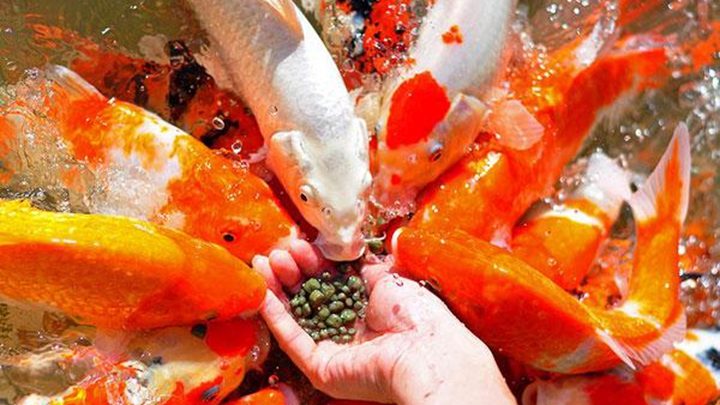
Floating fish feed pellets are made by extruding and expanding, with strong floating property and balanced nutrition, suitable for catfish, tilapia and other pelagic feeding fish, which fit most of the aquaculture fish’s feeding habits.
Its floating property comes from extrusion technology: the raw materials form a porous structure under high temperature and high pressure, which makes them float with a density lower than that of water; the floating time of high-quality floating feeds can be up to 12-24 hours, and that of some feeds suitable for tilapia can be up to 90 hours, which is much longer than that of sinking feeds.
ergy and floatability, core selection of corn flour (mainstay), cassava flour/sweet potato flour (enhance floatability), with wheat flour, rice bran to assist in cost control.
Oils and fats (3-10%)
Provide energy and enhance palatability, give priority to palm oil and soybean oil with high local production, match with fish oil to optimize nutrition, and add animal fat to control cost in moderation.
Floating feed binder
Ensure stable floating of particles, use tapioca starch (low-cost mainstay) and corn starch as core, and wheat gluten as high-end formula.
Additives and premixes (2-5%)
Indispensable, mainly including vitamin/mineral premix, essential amino acids (lysine, methionine), antioxidants, supplementation of nutrients, to extend shelf life.
Floating fish feed production process: step-by-step details
The core of floating fish feed production relies on the extruder production line, which is divided into 7 steps, and the operation specification of each step directly affects the feed quality, which is adapted to the needs of local large-scale production.
1. Raw material crushing
Raw material crushing is the first step, need to use hammer mill to crush raw materials to 60-80 mesh, screening to remove impurities, to ensure the subsequent mixing and expansion effect, to avoid equipment damage.
Raw material crushing is the first step in the production of floating feed, the core purpose is to crush all kinds of raw materials (such as corn, soybean meal, fish meal, etc.) into uniform fine powder, to ensure that the subsequent mixing and extrusion puffing effect. Fish feed hammer mill is usually used to crush the raw materials to 60-80 mesh (fine powder state) – powder is too coarse will lead to insufficient extrusion, poor floating feed particles, easy to disperse; powder is too fine will increase the cost of crushing, and may affect the palatability of the feed. Crushed raw materials need to be screened to remove impurities (such as stones, weeds, etc.), to avoid damage to the equipment, while ensuring feed quality.
2. Feed mixing
After crushing the raw materials need to be mixed evenly with a mixer, follow the principle of “coarse and then fine, more and then less”, the mixing uniformity of more than 95%, to ensure balanced nutrition of the feed, in preparation for puffing.
After the raw material is crushed, it needs to enter the fish feed mixer for even mixing to ensure that all kinds of raw materials (protein, carbohydrates, oil, additives, etc.) are evenly distributed to avoid uneven feed nutrition. The mixing should follow the principle of “coarse first, then fine, more first, then less”: first put corn meal, soybean meal and other bulk raw materials into the mixer, mixing for 5-10 minutes; then add fishmeal, premix, additives and other small amounts of raw materials, and continue to mix for 10-15 minutes, to ensure that the mixing uniformity reaches more than 95%. After mixing the raw materials for a uniform mixture, can be directly into the next extrusion process.
3. Extrusion: floating feed molding
Extruding is the core process, relying on the extruder to complete, divided into dry and wet two kinds. Dry type is suitable for small-scale production, simple operation; wet type needs to add water, better expansion effect, suitable for medium and large-scale production.
Under high temperature and high pressure, the raw material starch is pasteurized and protein is denatured, forming a porous structure, and the pressure is released after extrusion to realize floating. The size of die hole can be adjusted to produce different specifications of pellets, suitable for different growth stages of fish.
Extrusion is the core process in the production of floating fish feed, and it is also the key to determining the floatability of the feed, which needs to be accomplished with the help of fish feed extruder (core equipment). Currently, the extruders commonly used in the Nigerian market are divided into two types: dry fish feed extruders do not need to add water, directly extruding and expanding the dry mix, suitable for small-scale production, simple operation, low energy consumption; wet fish feed extruders need to add an appropriate amount of water in the mix (usually 15-20%), extrusion and expansion effect is better, the feed particles are more uniform, more stable floating, suitable for medium and large-scale production. It is suitable for medium and large scale production.
During the extrusion process, the high temperature (120-180℃) and high pressure (2-10MPa) in the extruder chamber will make the starch in the raw material fully pasty, protein denaturation, and at the same time, the raw material generates a large amount of gas, forming a porous structure; when the raw material is extruded out of the extruder, the pressure is released instantly, and the gas expands, so that the feed particles will form a loose and porous structure, which will have the characteristic of floating. In addition, the diameter of feed pellets (0.9-15mm) can be controlled by adjusting the size of the extruder’s die holes, which is suitable for fish at different growth stages (e.g., small pellets for fry, large pellets for adult fish).
4. Drying process
Expanded feed contains 20-25% moisture, need to use mesh belt dryer, drying at 80-100 ℃ for 20-30 minutes, to reduce the moisture to 10-12%, to ensure that long-term storage and does not destroy the nutrients.
Extruded feed pellets contain high moisture (usually 20-25%) and cannot be stored directly as they are prone to mold and mildew, so they need to be dried to reduce the moisture to 10-12% (which meets the storage standard). The commonly used local drying equipment in Nigeria is mesh belt dryer, where the feed pellets are evenly spread on the mesh belt and heated by hot air circulation (temperature controlled at 80-100℃), and the drying time is 20-30 minutes to ensure the uniformity of the pellet moisture without destroying the nutrients of the feed. After drying, the texture of feed particles is hard and the floating property is more stable.
5. Spraying oil for seasoning
After drying, it should be sprayed with oil for seasoning, use oil sprayer to evenly spray 3-5% of oil, which can be added as a flavoring agent to enhance the palatability and nutrients of the feed, and attract fish to ingest it.
After drying, the feed pellets need to be sprayed with oil for seasoning, the core purpose is to improve the palatability of the feed, and at the same time supplement the nutrition of fats and oils. Through the oil spraying machine, fish oil, soybean oil and other fats are evenly sprayed on the surface of the feed particles, and the dosage of fats and oils is controlled at 3-5%; at the same time, seasoning agents (e.g., fishmeal extract) can be added according to the needs to enhance the enticing properties of the feeds, and to attract fish to ingest them. After oil spraying, the surface of the feed particles is smooth and palatable, which can enhance the feeding enthusiasm of fish.
6. Cooling and screening
After oil spraying, the feed should be cooled down to room temperature by counter-current cooler for 15-20 minutes, and then screened to remove the fragments to ensure the uniformity of the particles and improve the quality of the products.
The temperature of the feed particles after oil spraying is high (about 60-80℃), they need to be cooled down to room temperature in the cooling machine (the difference between the ambient temperature and the ambient temperature should not be more than 5℃), so as to avoid the particles from mold and deterioration in storage due to high temperature, and at the same time, to enhance the hardness and stability of the particles. Commonly used cooling equipment is counter-current cooling machine, cooling time is 15-20 minutes. The cooled feed pellets should be screened, through the vibrating screen to remove the fine powder and broken particles, to ensure the uniform size of feed pellets and improve the quality of the product.
7. Packing
Qualified pellets are packed by automatic packing machine, specification 5-50kg/bag, labeled with relevant information, and stored in a dry, ventilated and cool place after packing to avoid moisture and deterioration.
After screening, the qualified feed pellets enter the automatic packing machine for packing, the packing specification can be adjusted according to the market demand, the common specification is 5-50kg/bag (suitable for farmers to purchase and store in bulk). The automatic packaging machine can realize the integrated operation of weighing, bagging and sealing, with high efficiency and small error, and at the same time, the feed formula, nutrient composition, shelf life, usage and other information are marked on the package, which is convenient for farmers to use. The packaged feed needs to be stored in a dry, ventilated and cool warehouse, avoiding moisture and direct sunlight.
Equipment for the production of floating fish feed pellets
Production requires a complete production line, the core of the extruder, with various types of auxiliary equipment, suitable for different production scales, the function of the equipment corresponds to the production process, as follows:
Raw material crushing equipment
The core is hammer mill, which can crush the raw material to 60-80 mesh, simple operation, high efficiency, suitable for different scale of production, and can adjust the crushing effect.
Fish feed mixer
Commonly used horizontal or screw belt type, high mixing uniformity (≥95%), convenient discharging, avoiding uneven nutrition caused by manual mixing.
Fish feed extruder (core equipment)
It is divided into dry type (small scale, no need to add water, low investment) and wet type (medium and large scale, good puffing effect), which can produce different specifications of floating/sinking feeds, and high temperature sterilization is safer.
Fish feed dryer
Commonly used mesh belt type, temperature can be controlled, can accurately reduce the moisture of feed to 10-12%, without destroying the nutrition, suitable for various scales of production.
Fish feed cooler
Commonly used counter-current type, fast and uniform cooling speed, can be cooled to room temperature, energy saving and consumption reduction, can be linked with other equipment to enhance efficiency.
Oil spraying machine
Uniform oil spraying, precise control of oil dosage (3-5%), easy to clean, adjustable oil spraying volume and speed according to the formula.
Fish feed packing machine
Automatic quantitative type, which can realize the integration of weighing, bagging and sealing, with small error and high efficiency, and can flexibly adjust the packing specification (5-50kg/bag).
Profitability and Market Opportunities for Floating Fish Feed Production in Nigeria
Relying on the rapid development of aquaculture industry in Nigeria, floating fish feed production has high profit potential and wide market opportunities, which is an agricultural project with great investment value.
Catfish is the dominant local aquaculture species, accounting for two-thirds of the aquaculture production, and the scale of aquaculture continues to expand, providing a stable demand for floating feeds; farmers’ awareness of scaling up, the demand for floating feeds is rising, and there is a large gap in the local supply, with little competitive pressure.
Local production of floating feed has more cost advantages than imports, can significantly reduce the cost of farming, profitability is outstanding; local raw materials are abundant, can quickly respond to the market, to ensure the supply and enhance customer stickiness.
Diversified sales channels, can be directly supplied to local farms, provide customized services, can also be exported to neighboring African countries; can be integrated with the “feed production + fish farming” industry chain, to achieve two-way profitability.
High return on investment, small-scale plant can pay back in 6-12 months, medium and large-scale plant can pay back in 12-24 months, with the growth of market demand, profit margin will continue to expand.
Advantages of floating fish feed pellet production
Floating fish feed production can realize a win-win situation for all parties, and has significant development advantages for farmers, producers and the whole aquaculture industry.
Lower feed production costs
Relying on the advantages of local raw materials and eliminating the costs associated with imports, feed production and operating costs can be significantly reduced, making feed pricing more competitive and attracting farmers to purchase.
Enhance Farmers’ Profit
The price of local floating feed is lower than imported, and with high conversion rate and less waste, it can reduce the farming cost, effectively improve the farming profit of farmers, and help increase income.
Reduce feed waste and cost
Floating feed floats stably and is not easy to be dispersed, which can reduce feed waste by more than 30%, reduce cost loss, and improve the utilization rate of raw material resources.
Improve the environment of aquaculture water body, reduce the risk of aquaculture
Avoiding feed residues polluting the water body, reducing eutrophication, improving the growing environment of fish, reducing the incidence of diseases, improving the survival rate of aquaculture, and reducing the loss of farmers.
Core Challenges of Floating Fish Feed Production in Nigeria
Floating fish feed production is promising, but in actual operation, the following core challenges closely related to local production should be emphasized to avoid investment risks:
Technical and formulation shortcomings
Most local practitioners lack feed production technology, and some producers do not have formulation research and development capability, which may lead to uneven nutrition and poor floatability of feed, affecting product quality and reputation.
Raw material price fluctuations
Soybean meal, corn and other core raw material prices fluctuate greatly, increasing the difficulty of cost control and possibly compressing profit margins.
Unstable power supply
Insufficient electricity and unstable voltage in Nigeria, high demand for electricity from production equipment, which directly affects the production efficiency, and may also damage the equipment and increase the maintenance cost.
Outdated equipment
Some small-scale producers use backward extrusion equipment, poor expansion effect, feed quality is not up to standard, and high maintenance costs, unable to meet market demand.
Lack of capital
Medium- and large-scale production requires a large amount of capital investment, and local investors are generally faced with a shortage of capital and financing difficulties, which restricts the expansion of scale.
Tips to improve the quality of floating fish feeds
Taking into account the actual situation of local production, the following scientific techniques can effectively improve the quality of floating feeds and enhance the competitiveness of products:
Control starch content to guarantee floatability
Control the starch content not less than 20%, and prioritize the use of cassava starch, corn starch and other strong adhesive raw materials.
Ensure fine crushing, improve puffing effect
Crush the raw materials to 60-80 mesh, ensure the powder is uniform and fine, and improve the extrusion puffing effect and feed digestibility.
Control the moisture and temperature and pressure during extrusion process
When wet extruding, control the mixture moisture 15-20%, temperature 120-180℃, pressure 2-10MPa, to ensure the starch is fully pasted.
Control the drying temperature and time to guarantee the freshness of feed
When drying, control the temperature 80-100℃, time 20-30 minutes, reduce the moisture to 10-12%, avoid high temperature to destroy the nutrition.
Adopt oil spraying process after drying to improve palatability.
Spray oil after drying and cooling the feed, control the oil spraying amount 3-5%, ensure the uniformity of oil and grease, avoid oxidization.
Summary of fish feed pellet production in Nigeria
The production of floating fish feed pellets in Nigeria has a very high profit potential and development prospect based on the rapid development of local aquaculture industry and huge market demand. Despite the challenges in technology, raw materials and electricity, the quality of feed can be effectively improved and the local market share can be captured by choosing appropriate production equipment, formulating formulas scientifically and strictly controlling the production process. For investors, they can choose the appropriate production scale according to their own budget and market demand, relying on the advantages of local raw materials, to realize the large-scale and standardized development of the production of floating fish feed, and at the same time, promote the upgrading of the aquaculture industry chain in Nigeria, and contribute to the development of the local agricultural economy.