The global aquaculture industry is expanding rapidly. As wild fish stocks continue to dwindle and consumer demand for seafood in markets such as Southeast Asia, Africa, the Middle East, and Latin America grows at a rate of 5-8% per year, commercial fish farming offers a solid investment opportunity. However, success requires more than just digging ponds and buying fry. This guide will take you through six key aspects of starting a commercial fish farm, covering market analysis, site selection, infrastructure, day-to-day management, feed cost reduction, and high-quality feed production.
1. Market demand and profit potential for fish farms
Before you invest a cent, you must understand the drivers of fish farm profitability. The market rewards not guesswork, but data-driven decisions.
Current Market Demand
Global per capita fish consumption has surpassed 20 kilograms per year, and aquaculture now supplies more than half of the fish consumed by humans. Popular species such as tilapia, catfish, sharpnose bass and salmon show particularly strong demand. In many markets, local production is not keeping pace with consumption. If, for example, 80% of the tilapia sold in your local wholesale market comes from neighbouring countries, there is a clear supply gap – and that gap is your market opportunity.
Downstream buyers such as supermarket chains, fish and chip processors and restaurant groups often struggle to find reliable suppliers who can deliver consistent quality and quantity. Many processors are willing to pay 10-15% more for fish that meets uniform specifications and strict drug residue standards.
Profit Potential
A one-hectare tilapia culture pond, for example, typically produces 15 tonnes per year. At a farmgate price of US$2.20 per kilogram, the annual income per hectare is US$33,000.
Feed accounts for 50-70 per cent of total operating costs. At a feed factor of 1.5 and US$550-650 per tonne of commercial feed, feed costs are about US$12,375 per hectare.
Fish fry cost US$600, and electricity, water treatment and medicines totalled about US$450. Labour and depreciation add another US$750. The total operating cost is about US$14,175 per hectare and the net profit is US$18,825 per hectare.
Reducing feed costs by just 30 per cent would increase profits by US$3,700 per hectare. This is why on-site feed production has become standard practice on profitable commercial fish farms.
2. How to choose the right location for a fish farm
Water source and quality
Water is the most critical factor. Even in the driest months, your water source must meet the amount of water required for 20 per cent water changes in all ponds. For example, a one-hectare pond with an average depth of 1.5 metres requires 3,000 cubic metres of water for a 20% water change.
If the flow rate of the water source is 1 cubic metre per minute, this would take 50 hours – which is totally unrealistic.
Water quality testing is equally important. Key parameters: dissolved oxygen above 5 mg/l (below 3 mg/l results in fish kills), pH between 6.5 and 8.5, ammonia below 0.2 mg/l and nitrite below 0.05 mg/l. Avoid sites downstream of industrial areas, agricultural runoff, or near sewage outfalls. A single pollution incident could wipe out your entire pond of fish.
Soil properties
Before deciding on a site, do two simple tests. Percolation test: Dig a pit 30cm in diameter and 50cm deep, fill it with water and measure the drop in water level over 24 hours. A drop of more than 5 cm indicates that the sandy soil will seep badly. Rubbing strip test: squeeze a moist soil sample.
Loamy soil – which feels gritty but can be balled up – is ideal. Pure sand won’t ball up, while heavy clay will form sticky, shiny strips that crack when dry.
Topography and terrain
Slopes of 1-5% allow gravity to self-flow into the drainage without the cost of pumping. Flat land requires expensive pumping stations and constant electricity. Avoid flood-prone low-lying areas and drought-prone uplands. The best sites are gently sloping parcels near rivers, lakes or reservoirs.
Transport and Electricity
The road from the main road to the farm must be able to accommodate 10-tonne trucks for feed delivery and harvest transport. The road should be at least 4 metres wide with an adequate turning radius.
Dirt roads need to be hardened – in the rainy season, impassable roads mean feed can’t get in and fish can’t get out.
Three-phase electricity is necessary. Transformer capacity is calculated at 10 kilowatts per hectare to run the oxygenator, pump and feed equipment. Diesel generators are not optional – they are insurance. A two-hour power outage during peak feeding times can result in the death of an entire pond of fish.
3. Infrastructure for commercial fish farms
A professional fish farm requires five functional areas. Lack of any one of them will affect efficiency.
Pond system design
Four types of ponds are required.
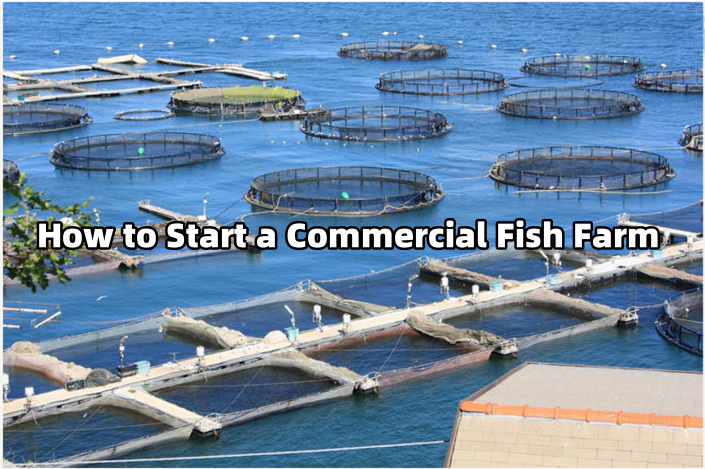
Adult ponds (0.5-1 hectare, 1.5-2.0 metres deep) account for 70% of the total area and are used to raise fish to market size. Stock ponds (0.2-0.3 ha, water depth 1.0-1.2 m) account for 15% of the total area and are used for fry domestication. Overwintering ponds (0.2-0.3 ha, water depth 2.0-2.5 m) account for 10 per cent and are used for fish preservation during the dry season or low temperature period. Sedimentation ponds (0.1-0.2 ha, water depth 1.0-1.5 m) account for 5% and are used to treat aquaculture wastewater before discharge.
Each pond requires a separate inlet and outlet, where water enters at a high level and discharges from the bottom at the other end. The bottom drainage system – a 30 cm diameter pipe connected to a collection well – should be opened every 7-10 days to drain deposited sludge. The use of concrete or geomembrane berms prevents erosion and reduces maintenance.
Oxygenation system
Oxygenation is uncompromising in commercial aquaculture. Floating impeller oxygenators (1.5 kW each) should be installed at a density of one per 0.2-0.3 ha.
Running schedule: 2 hours at noon to circulate the water, and continuously at night from 10pm until sunrise, when the dissolved oxygen naturally drops.
For high densities in excess of 20 tonnes per hectare, the microporous aeration system is 30% more efficient than impeller oxygenators. Regardless of the primary method of oxygenation, 50kg per hectare of calcium percarbonate pellets is always kept as an emergency back-up. When power fails, emergency oxygenation can buy 2-4 hours to restore equipment or harvest.
Feed is the largest single operating expense, typically accounting for 50-70% of total costs. On-site feed production completely changes the economics. Homemade feed costs $350-450 per tonne compared to $550-650 for commercial feed – a saving of $150-200 per tonne.
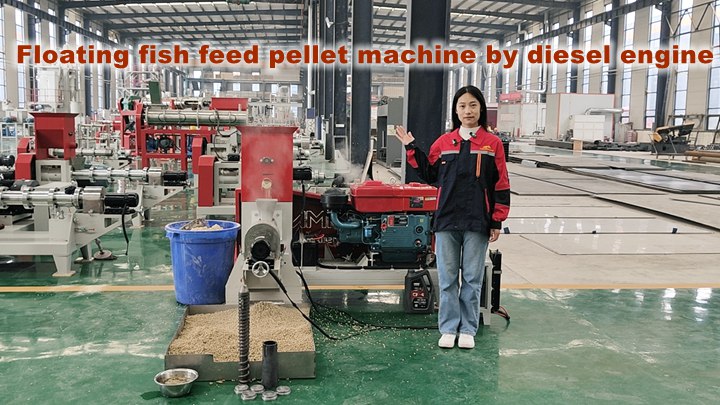
For a 1-5 hectare farm, a 1-2 tonne per hour production line consists of a hammer blade mill (crushes to 0.4-0.6 mm for optimum digestibility), twin shaft paddle mixer (coefficient of variation less than 10%), twin screw expander (produces both floating and submerged pellets), dryer (reduces moisture to less than 12%), and packing scale.
Total investment: US$15,000-20,000. On a 2 ha farm consuming 15 tonnes of feed per month, the monthly savings amount to US$3,000. The payback period is about 7 months, after which the savings are converted directly into profit.
4. Daily management practices for efficient fish farms
Success in fish farming comes from the strict implementation of standard operating procedures. Every task must be documented and consistently performed.
Fry placement
Preparing the pond: apply 75 kg of quicklime or 15 kg of bleach per 100 square metres, followed by 7 days in the sun. Test the water quality by placing 20-30 fry in the nets for 24 hours of observation before release.
Select the same batch of fry with uniform size (less than 20% difference), intact scales and fins, and good swimming ability. Sterilise by soaking in 3-5% saline water for 5-10 minutes before placing.
Allow the fish to swim out of the container on their own – do not dump directly.
Stocking densities by species: tilapia 20,000-25,000 per hectare, catfish 30,000-40,000 per hectare, sharpnose bass 25,000-30,000 per hectare.
Feeding management
Feeding rates depend on water temperature and fish size. At 25-30°C, the daily feeding rate is 5 per cent of body weight for fry, 3.8 per cent for medium-sized fish and 2.8 per cent for adults. Above 30°C, this was reduced to 3, 2 and 1.5 per cent, respectively. Below 20°C, feeding was done every 2-3 days.
Divide the daily feeding into 2-3 feedings at fixed times. The feeding rate is considered appropriate when 80% of the fish stop feeding after 30-40 minutes. If all feed disappears within 10 minutes, the feeding amount should be increased next time.
If there is still feed left after one hour, it should be reduced immediately.
Water Quality Management
Test the key parameters of water quality twice a week. Dissolved oxygen should be maintained above 5 mg/l; below 3 mg/l requires immediate oxygenation and water changes. pH should be in the range of 7.0-8.5 – use lime to raise pH and organic acids to lower it. Ammonia must be kept below 0.2 mg/litre; high ammonia requires water changes, application of zeolite powder and reduced feeding. Determine clarity using a Seychelles disc with a target value of 25-35 cm; low readings indicate algae outbreaks and high readings indicate water that is too clear.
Disease Prevention
The monthly prevention programme is as follows: in the first week, add 2 kg of garlic powder per tonne of feed for 3 days. In the second week, splash quicklime at 150kg per hectare. In the third week, add 1kg of Chinese herbs plus 1kg of vitamin C per tonne of feed for 3 days.
In the fourth week, apply EM bacteria to improve water quality.
When diseased fish were found, feeding was stopped immediately, samples of live and recently dead fish were sent to the laboratory for diagnosis, treatment was carried out according to laboratory recommendations, and all equipment used in the diseased pond was isolated.Record keepingKeep separate culture logs for each pond. Daily records must include: date and weather, water temperature and dissolved oxygen (morning and evening), pH and clarity, feeding and intake, number and weight of dead fish, medication administered, and operator’s signature. These records are essential for troubleshooting, optimising production and passing customer audits.5. How to reduce feed costs in commercial aquacultureReducing feed costs is the most effective way to improve profitability. Three strategies working in concert can reduce feed expenses by 30-50%.On-site feed production
A standard tilapia adult feed formulation per tonne contains: 450 kg of energy ingredients (maize, sorghum, wheat), 250 kg of protein ingredients (soya bean meal, cotton meal, fishmeal), 150 kg of fibre ingredients (rice bran, wheat gluten), and 50 kg of premixes (vitamins, minerals, salt).
The production cost of this formulation is US$380-420 per tonne based on raw material prices in South East Asia. Commercial feeds of the same quality sell for US$550-650 per tonne. The savings of US$150-230 per tonne directly increases profitability. For a 5 hectare farm producing 300 tonnes of feed per year, on-site production can save US$45,000-69,000 per year.
Fermentation technology
Fermentation unlocks the value of low-cost raw materials. Palm kernel meal – widely available in South East Asia at just US$0.10-0.15 per kilogram – has very low raw digestibility. Fermentation can change this.
100kg recipe: 100kg palm kernel meal, 10kg maize meal (energy source), 0.5 litres of EM bacterial solution, 0.5kg molasses, add water to 60% humidity (to form a ball in your hand).
Mix thoroughly, put into a sealed container and ferment for 3-5 days (shorter in tropical climates). The finished product smells of wine and contains beneficial bacteria. Replacing 15-20% of conventional feed with fermented material will not reduce growth rate.
Precision feeding with additives
Three other measures capture additional value. Firstly, adjust the feed formulation every fortnight based on proof weighing – fish grow at different rates and the amount fed must track the actual biomass. Second, adding enzymes (phytase, protease, carbohydrase) can increase digestibility by 5-8%. Thirdly, train staff to observe feeding behaviour rather than following a fixed schedule – weather changes, equipment problems and water quality fluctuations can all affect appetite.
6. Produce high-quality fish feeds to enhance aquaculture efficiency
Feed quality directly determines fish growth rate, health and feed factor.
Understanding the production process helps you make better decisions.
Raw material preparation
All ingredients must be clean, dry and crushed to a uniform fineness. Hammer blade crushers should achieve a particle fineness of 0.5-0.8 mm for optimum digestibility and particle moulding. Inconsistent particle size can lead to poor binding and nutrient separation.
Mixing and Conditioning
Precise mixing ensures that each pellet contains the correct proportion of nutrients. Belt or paddle mixers should have a coefficient of variation of less than 10 per cent. Liquids (e.g. fats and vitamin premixes) are added towards the end of the mixing cycle.
Steam tempering at 70-90°C for 2-5 minutes initiates starch pasting, improves pellet bonding and reduces microbial contamination.
Target moisture before extrusion is 12-15%.
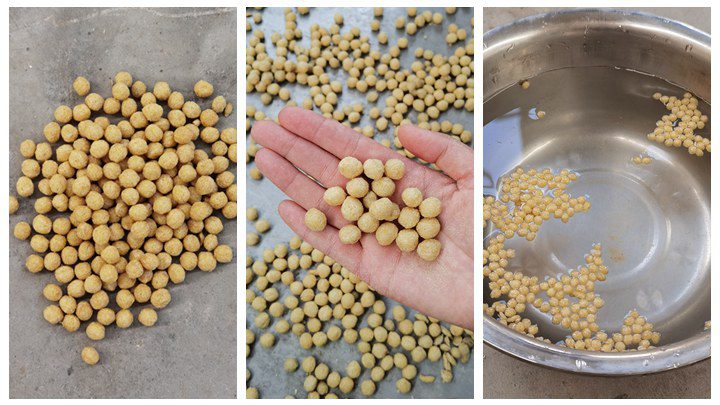
Extrusion puffingExtrusion is the heart of the process. The tempered material enters the barrel of the extruder and is cooked under high temperature (120-150°C), high pressure and mechanical shear. The twin-screw expander allows precise control of pellet size (0.9-12 mm), type (floating, submerged or slow sinking) and nutrient retention.Floating pellets offer significant management advantages: farmers can observe feeding intensity and immediately adjust the feeding rate, reducing waste. Switching from submerged to floating pellets typically improves the feed factor by 10-15%.Drying and SprayingFresh pellets have a moisture content of 22-28% and must be dried to less than 12% to prevent mould during storage. Continuous belt dryers with controlled airflow and temperature zones are standard.
After drying, the pellets are sprayed with oils and vitamins through a vacuum sprayer. Spraying improves energy density, palatability and feed conversion. The difference in feed factor between sprayed and unsprayed feed can be 5-8 percentage points.
Cooling and packaging
Counter-current coolers bring pellets down to ambient temperature and prevent condensation inside the package. Sieving removes meal and broken pellets before packaging. Finished feeds should be stored in dry, ventilated warehouses at temperatures below 30°C and humidity below 70 per cent.
Differences in formulation by species
Different fish require different nutrients. Tilapia require 28-32% protein and use floating pellets.
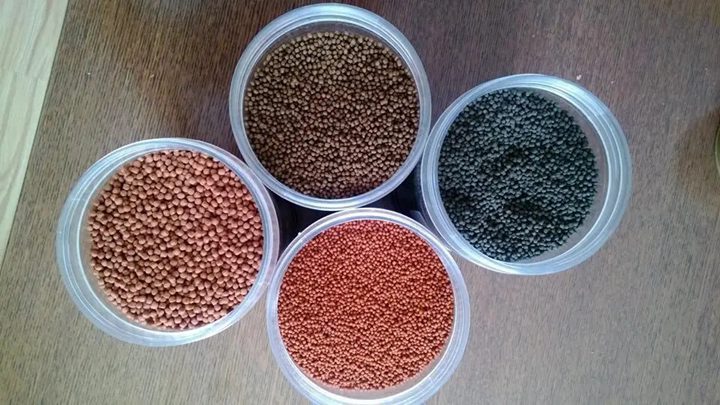
Catfish need 30-35% protein and use sinking pellets. Salmon need 40-45% protein and use high energy floating pellets. Carp do well at 25-30% protein levels and use slow sinking pellets. Matching the formulation to the species being farmed maximises growth rates and minimises waste.
Conclusion
Starting a commercial fish farm requires careful planning in six interrelated areas. Market analysis determines what fish to raise and at what price. Proper site selection ensures long-term operational efficiency. Complete infrastructure – ponds, oxygenation, feed processing – creates the physical platform. Rigorous day-to-day management drives results.
Lower feed costs transform marginal operations into high-margin operations. And producing your own high-quality feed completes the closed loop of cost control.
For investors planning to build commercial fish farms in Southeast Asia, Africa, the Middle East or Latin America, LIMA Machinery offers free project consultation, customised layout design, accurate budgeting solutions and full technical support. From site assessment to full production, we help you build a professional, efficient and cost-effective commercial fish farm.