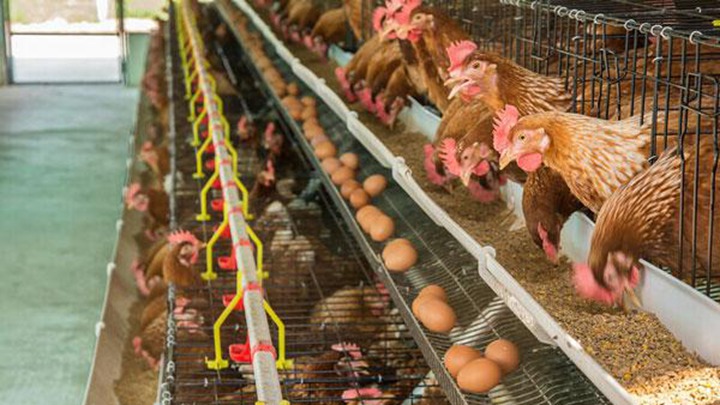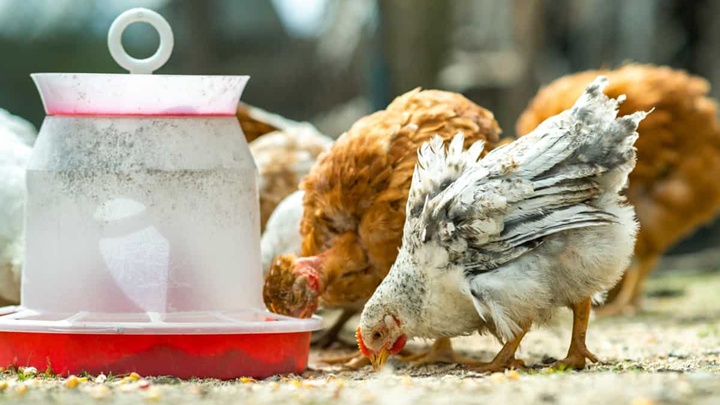
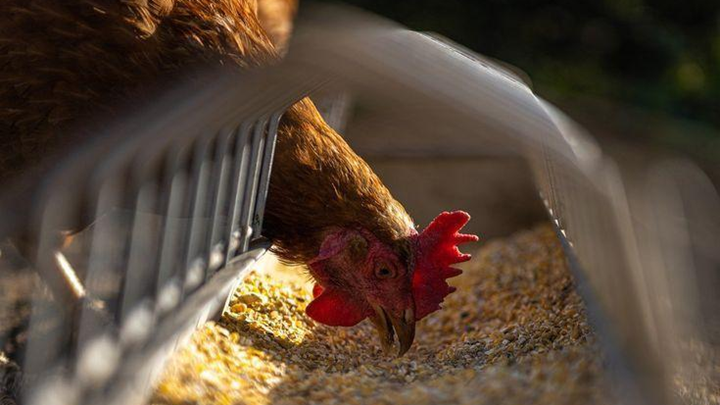
With the continuous expansion of the global poultry farming industry, the market demand for poultry feed, as the core link of the farming industry chain, is rising year by year. According to a report by IMARC Group, the global poultry feed market has reached USD 180 billion in 2023 and is expected to exceed USD 260 billion by 2030, with a compound annual growth rate of 5.6%. For entrepreneurs, the poultry feed production business not only has huge market potential, and clear profit model, is a very promising entrepreneurial direction. This article will be from the basic knowledge, core links, operational steps, profitability skills, etc., for you to fully dismantle how to start the poultry feed production business, to help you quickly into the game, steady profit.
What is poultry feed? What are the types?
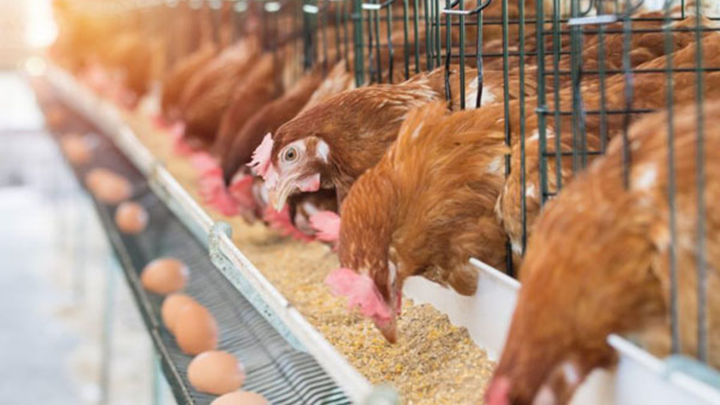
Poultry feed is for chickens, ducks, geese and other poultry to provide growth, egg production, fattening and other nutrients required for the special feed, its nutritional ratios directly determine the growth rate of poultry, egg production rate and product quality. According to the form and use, the mainstream poultry feed is mainly divided into 3 categories, suitable for different growth stages of poultry, and is also the product direction you need to focus on planning when you start your business.
Powder feed
Simply put, powder feed is a loose, unprocessed and compressed basic feed with a texture similar to potting soil, and is the most delicate type of poultry feed available on the market today. Its core advantage is easy digestion and fast nutrient absorption. It is mainly used for chicks (baby chicks) feeding, which can meet the demand of chicks’ fragile digestive system; meanwhile, there are also some farmers who will feed adult poultry with powder feed, which is more adaptable.
Crumbled feeds
Crumbled feed is an intermediate form between powdered feed and pelletized feed, with a texture similar to oatmeal, coarser than powdered feed, but looser than pelletized feed. Many farmers will use crumble feed as “transition feed” to help chicks gradually adapt to pellet feed from powder feed, avoiding refusal or indigestion caused by sudden change of feed form, and stabilizing market demand.
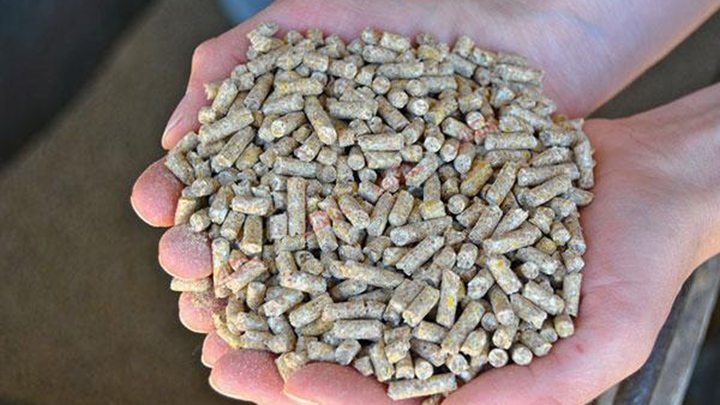
Pellet feed
Pellets are the most popular and mainstream type of poultry feed on the market today, in the form of small compacted cylinders. Its advantages are outstanding: it is not easy to scatter, even if the poultry accidentally touch down the trough will not cause waste; easy to store, transport and feed, suitable for large-scale breeding scene; at the same time, pellet feed after compression treatment, can reduce the picky eating of poultry to ensure balanced nutritional intake, is the preferred choice of most of the family farmers and large-scale farms.
Raw material procurement and preparation
Raw material is the foundation of poultry feed production, the quality of raw material directly affects the nutritional content and safety of feed, while the cost of raw material procurement directly determines the profitability of the business. Industry data shows that high quality raw materials can increase the feed conversion rate by up to 15%, therefore, good procurement and preparation of raw materials is the first key step to start the business.
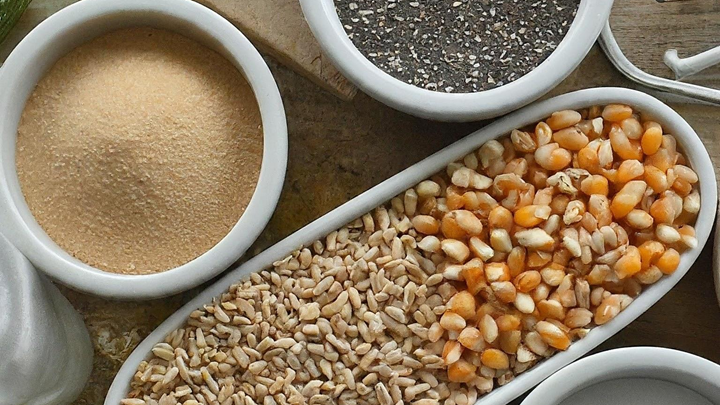
Core raw material selection
The core raw materials of poultry feed mainly include energy raw materials, protein raw materials and additives, which need to be scientifically matched according to the feed formula:
Energy raw materials: corn, wheat, bran, etc., to provide the energy needed for the growth of poultry, is the main ingredient of the feed (accounting for 60% -70%);
Protein raw materials: soybean meal, fish meal, sunflower meal, peanut cake, etc., to provide poultry growth, egg production required protein, is to determine the core of feed quality;
Additives: vitamins, minerals, amino acids, enzymes, mold inhibitors, etc., to supplement the basic nutrition, enhance the feed conversion rate and extend the shelf life.
Raw material procurement skills
The cost of raw materials accounts for 65%-75% of the total cost of feed production, good procurement planning can effectively reduce costs and improve profitability:
Long-term cooperation: sign long-term cooperation agreements with local farmers and raw material suppliers to lock the price of raw materials and avoid cost increases caused by market price fluctuations, which can reduce the cost of raw materials by 10%-15%;
On-demand purchasing: adopting the “small amount, many times” purchasing mode, not only to avoid the waste of raw materials due to backlog and mold, but also to reduce the occupation of funds; at the same time, a certain amount of reserve for price fluctuations is set aside to cope with the increase in market prices of raw materials;
Quality control: Strictly check the quality of raw materials when purchasing, avoid purchasing raw materials with too much mold and impurities, otherwise it will affect the quality of feed, and even lead to poultry disease, but increase the cost.
Poultry feed production process
Poultry feed production process is not complex, the core is divided into seven steps, according to their own business scale (small workshops, medium-sized factories) to choose manual or automated equipment, the following is a general production process, suitable for powder, crushed granules, pellets, three kinds of feed production.
Raw material cleaning
This is the first step of production, but also the key to ensure feed quality and equipment safety. The main purpose is to remove the impurities in the raw materials (such as stones, weeds, soil, metal particles, etc.), on the one hand, to avoid the impact of impurities on the nutrition of the feed and the health of poultry, on the other hand, to reduce the wear and tear of impurities on the production equipment, to ensure that the production line runs smoothly. Small workshops can use manual screening, medium-sized factories can be equipped with special cleaning equipment (such as vibrating screen, magnetic separator).
Raw material crushing
The cleaned raw materials will be crushed into powder, the purpose is to increase the surface area of the raw materials, so that the poultry easier to digest and absorb, while enhancing the uniformity of the subsequent mixing process. Crushing granularity should be adjusted according to the growth stage of poultry: chick feed needs to be crushed more finely, adult poultry feed can be appropriately coarser. Commonly used equipment for hammer mill, small equipment can be manually operated, large factories can be equipped with automated pulverizer to enhance efficiency.
Batching
Strictly in accordance with the feed formula, the crushed raw materials will be weighed according to the proportion of ingredients, ingredients. The order of dosing is delicate: first add corn, soybean meal and other bulk raw materials, and then add a small amount of vitamins, minerals and other additives to ensure that the dosage is accurate, to avoid imbalance in the proportion of nutrients. The weight of the ingredients needs to be precisely controlled, and too large an error may lead to insufficient or excessive feed nutrients, affecting the growth of poultry.
Mixing
Put the ingredients into the mixer and mix well to ensure that the nutrient composition of each feed is consistent, to avoid unbalanced nutrition caused by picky poultry. The mixing time should be strictly controlled: if the time is too short, the raw materials will not be mixed sufficiently; if the time is too long, the raw materials will be stratified, which will also affect the quality. Different mixers have different optimal mixing time, you can consult the equipment supplier to get the accurate parameters.
At this point, the production of powder feed has been basically completed, and can be directly packaged for sale (when feeding need to add water to mix).
Pelletizing
If you want to produce pellet feed, you need to feed the mixed powder raw materials into the pelletizing machine, through high temperature and high pressure extrusion into cylindrical particles. Pelleting machine is mainly divided into flat die pelleting machine and ring die pelleting machine, small workshops can choose flat die pelleting machine (lower cost), large factories can choose ring die pelleting machine (high efficiency, large output). The diameter of pellets should be adjusted according to the growth stage of poultry: the diameter of pellets for chicks and adult laying hens is 3.0-4.0mm, the diameter of pellets for adult broilers and breeders is 5.0mm, and the length of pellets is 1.5-2 times of the diameter.
If you want to produce crushed feed, you can feed the prepared pellets into the crusher and crush them into suitable size.
Cooling and drying
The temperature of the freshly made pellet feed is as high as 75-85℃, and the moisture content is 16%-18%, at this time, direct packaging will lead to mold, deformation and broken feed. It is necessary to cool the feed to room temperature through cooling equipment, and at the same time reduce the moisture content to below 13.5%, to prolong the shelf life of the feed and ensure the safety of storage.
Packaging and storage
Pack the cooled feeds in woven bags with plastic lining, labeled with feed type, applicable poultry stage, shelf life, nutrient content and other information. Storage should be placed on wooden or metal supports, away from the ground, keeping the warehouse cool, ventilated and dry, avoiding dampness, mold and insects.
Feed Formulation Design
Feed formulation is the core technology of poultry feed production, which directly determines the nutritional level, palatability and cost-effectiveness of feed, and is also the key to differentiated competition. The wrong formula will not only affect the growth of poultry, but also cause waste of raw materials and increase costs. When designing the formula, you need to focus on 3 points:
Poultry Nutritional Requirements: According to the type of poultry (egg-laying chicken, broiler, breeder) and growth stage (chicks, brooder, adult chicken), to determine the required crude protein, amino acids, vitamins, minerals and other nutrients content;
Nutritional composition of raw materials: Define the nutritional content of each raw material, combine with the cost of raw materials, and scientifically mix and match, so as to reduce the cost of the formula under the premise of meeting the nutritional requirements;
Cost and availability: prioritize the use of local easy-to-obtain, low-cost raw materials, avoiding the use of scarce, overpriced raw materials, to control the cost of the formula.
3 common feed formulations
Powdered feed for laying hens chicks (1-4 weeks old)
Chicks grow rapidly and need digestible crude protein (DCP) 18%-20%, formula (100kg):
Corn 46kg, wheat bran 13kg, secondary flour 10kg, sunflower meal/flax meal/peanut cake 25kg, fish meal 2.6kg, lime 2.5kg, salt 70g, premix 40g; additives: tryptophan 140g, lysine 20g, methionine 20g, threonine 140g, enzyme/growth promoter 100g, coccidiostat 120g, mold remover 100g.
Powdered feed for laying hens in breeding period (4-18 weeks old)
Breeding hens need 16%-18% crude protein to prepare for egg production, formula (100kg):
Corn 14.3kg, corn germ 24.3kg, secondary flour 18.6kg, wheat bran 14.3kg, sunflower cake/peanut cake 15.7kg, soybean meal/soybean cake 4.9kg, lime 2.9kg, bone meal 1kg, fish meal 4.3kg, salt 40g, coccidiostat 5g, premix 30g, baculinum peptide zinc 5g, deodorant 10g.
Powdered feed for laying hens (above 18 weeks old)
Note: Laying period feed with high calcium content should not be used for chicks/brooder chickens under 18 weeks of age, otherwise it will damage the kidneys; it can be started to be fed when the egg production rate of chickens reaches 5%, formula (100kg):
Corn 48.5kg, Soybean meal 17kg, Fish meal 11kg, Corn bran/ Rice germ/ Bran 14kg, Lime 9.5kg, Premix/ Egg-laying promoter 200g; Additives: Lysine 100g, Methionine 50g, Threonine 100g, Tryptophan 50g, De-molding agent 75g.
Choose the most cost-effective equipment according to the scale
Equipment is the foundation of feed production, you need to choose the right equipment according to the scale of your business (small, medium) to balance the cost and capacity. The following is the core equipment of the complete production line and the selection suggestions, newcomers can start from small equipment, and gradually expand the scale.
Core equipment and purpose
| Equipment Name | Core application | Suggestions for selection |
| Pulverizers/Hammer Blade Pulverizers | Crush raw materials to improve digestibility | Small: manual hammer mill (low cost); medium: automated mill (high efficiency) |
| Mixer | Mixed ingredients to ensure uniform nutrition | Small: Horizontal Mixer; Medium: Twin Shaft Mixer (high mixing uniformity) |
| Granulator | Production of pellet feed | Small: flat-die pelletizer; medium: ring-die pelletizer (large output, good pellet quality) |
| Coolers | Cooling pelleted feed to reduce moisture | Small: natural cooling racks; medium: counter-current coolers (high cooling efficiency) |
| Screening Machine + Packaging Machine | Screening of unqualified pellets and packaging of finished products | Small: manual screening + semi-automatic packaging machine; medium: automated screening + automatic packaging machine |
Equipment cost control techniques
Core equipment priority procurement: pulverizer, mixer, granulator is the core, need to ensure the quality; non-core equipment (such as screening machine) can be leased first, reduce the initial investment;
Adaptive capacity: novice early no need to pursue large-scale equipment, according to the expected output selection of equipment, to avoid excess capacity resulting in cost waste;
Choose manufacturers with good reputation: the quality of equipment directly affects the production efficiency and feed quality, give priority to manufacturers with industry reputation and perfect after-sales service to avoid high maintenance costs in the later stage.
Capital investment and budget planning
Capital investment is the basis for starting the business, accurate costing, reasonable budget planning, reserve emergency funds to avoid a break in the capital chain. The core of the budget centers around “initial investment + operating costs”, as follows:
Initial input
Equipment costs: according to the size of the production line (small manual semi-automatic, medium-sized automation), the cost difference is large, we need to combine their own production capacity needs to choose the appropriate equipment, balance the cost and capacity;
Site costs: need to rent a ventilated, dry, conveniently located warehouses or factories, small workshops and medium-sized factories require a different area, the rent varies according to the size of the site, location;
Raw material reserve: the initial need to reserve a certain amount of core raw materials, the amount of reserves combined with the initial production capacity planning, the cost of raw materials according to the type and amount of reserves dynamically adjusted;
Documents: need to apply for business license, feed production license and other related documents, the cost varies according to local policies and procedures;
Contingency funds: a certain percentage of the total investment is reserved as contingency funds to cope with unexpected situations such as equipment maintenance and raw material price fluctuations.
Operating Costs
Raw material cost: it accounts for the main proportion of the operating cost, which is dynamically adjusted according to the output and raw material market conditions;
Labor cost: initially, “core full-time + auxiliary part-time” mode can be used, reasonable allocation of manpower, the cost is adjusted according to the local salary level, the number of personnel;
Other costs: including utilities, equipment maintenance, packaging materials, transportation costs, etc., are ongoing expenditures, according to the dynamic changes in production scale.
Budget management skills
Establish a perfect budget accounting mechanism, regularly compare the actual expenditure with the budget, and strictly control unnecessary expenses; adopt “on-demand purchasing” for raw material purchasing to reduce the use of funds; regular maintenance of equipment to reduce the cost of maintenance; and flexibly adjust the staffing to avoid the waste of manpower.
Profit Analysis and Profit Tips
The profitability of poultry feed production business is clear, the core lies in “cost control + differentiated competition”, combined with industry data and practical experience, the following is the profitability analysis and core skills to help you quickly achieve profitability.
Market profitability
At present, the gross profit margin of ordinary poultry feed is about 15% -25%, and the gross profit margin of differentiated feed (such as functional feed, customized feed) can reach 30% -40%. With the development of large-scale aquaculture, farmers have increasing demand for high-quality feed, as long as the product quality and reasonable price, the market demand need not worry.
Core profitability skills
Optimization of raw material costs: Reduce raw material costs by 10%-15% through long-term cooperation, bulk purchasing, local purchasing, etc., which directly improves the gross profit margin;
Product differentiation: launching customized feeds (e.g. functional feeds for high production of egg-laying hens and rapid fattening of broilers) with vitamins, amino acids and other nutrients, which will increase the selling price of the feed by 15%-30% compared with ordinary feeds;
Scale operation: gradually expanding the production scale, adopting automated equipment, reducing the unit production cost by 12%-20%; at the same time, scale production can reduce the logistics and management costs, and improve the overall profitability;
Expanding customer channels: focusing on docking with local farmers, large-scale farms, and farming cooperatives to establish long-term cooperative relationships; at the same time, online channels can be expanded to expand customer coverage.
Summarize
To start poultry feed production business, the core is to “grasp the quality, cost control, strong formula, expand channels”. Beginners can follow the following steps to progress steadily: 1. define the product positioning (powder/pellet/granule feed, suitable for which kind of poultry); 2. handle the procurement of raw materials and formulation design, to ensure product quality; 3. select the appropriate production equipment, control the initial investment; 4. standardize the production process to ensure product quality and stability; 5. expand customer channels, to achieve profitability on a large scale.
With the continuous development of the global poultry farming industry, the potential of the poultry feed market will continue to release. As long as you master the core technology, do a good job of cost control, find the market positioning, you can stand firm in this industry, to achieve stable profits. If you need to know more about equipment selection, formula optimization or customer development skills, feel free to consult industry professionals to help your business get off to a fast start.